
Laparoscopic surgery has transformed the way many surgeries are performed today. Compared to traditional open surgery, it usually involves smaller incisions, less pain, quicker recovery, and a shorter hospital stay. Yet, one question patients commonly ask before surgery is:
“Is laparoscopic surgery completely safe?”
The short answer is that laparoscopic surgery is considered one of the safest surgical techniques available today when it is performed by an experienced laparoscopic surgeon, on the right patient, for the right condition. Like every medical procedure, it is not completely risk-free, but for many patients, its benefits outweigh its risks.
Let’s understand why.
What Is Laparoscopic Surgery?
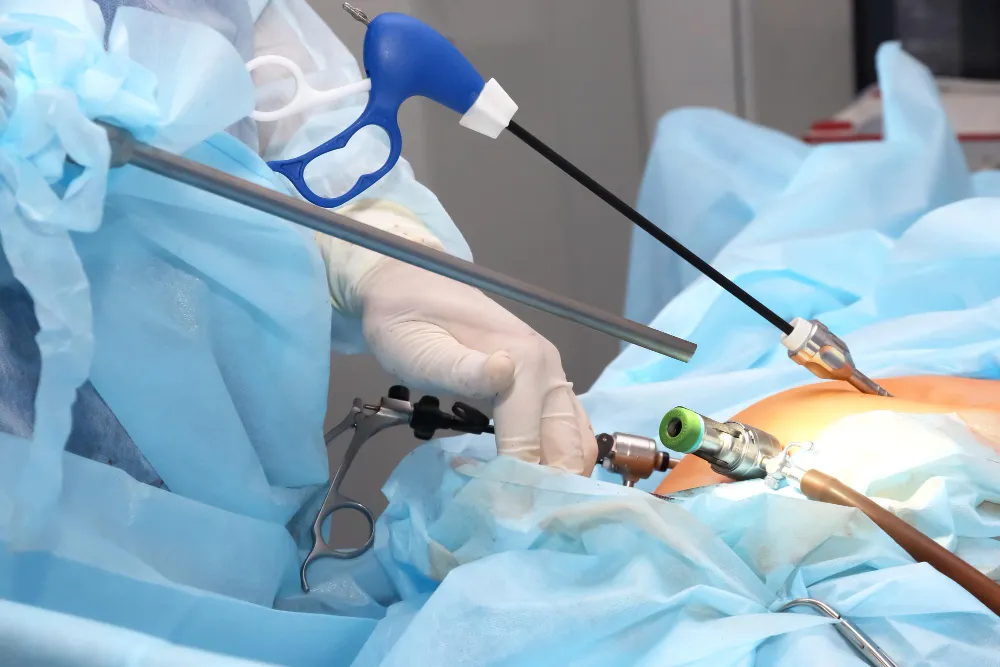
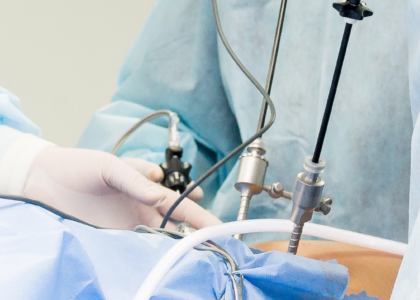
Laparoscopic surgery, also known as keyhole surgery or minimally invasive surgery, is performed through small incisions instead of one large cut.
A tiny camera called a laparoscope is inserted through one of these incisions, allowing the surgeon to view the inside of the body on a high-definition monitor. Special surgical instruments are then used to perform the operation with precision.
This technique has become the standard treatment for many abdominal surgeries because it minimizes damage to surrounding tissues.
Why Is Laparoscopic Surgery Considered Safer?
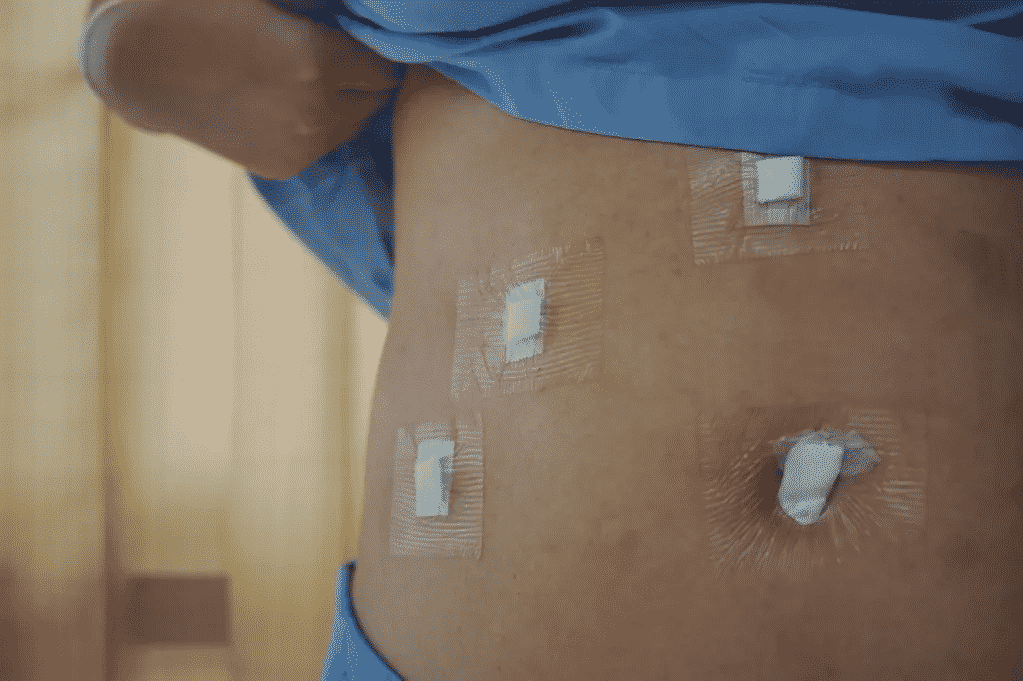
The biggest advantage of laparoscopic surgery is that the body experiences less surgical trauma.
Compared to traditional open surgery, patients usually experience:
- Smaller incisions
- Less blood loss
- Reduced postoperative pain
- Lower chances of wound infection
- Faster healing
- Shorter hospital stay
- Earlier return to work and daily activities
- Smaller scars
For many common surgical conditions, these benefits make laparoscopic surgery the preferred choice whenever it is medically appropriate.
Is It 100% Risk-Free?
No surgery in the world is completely without risk.
Every surgical procedure—whether open or laparoscopic—has potential complications such as:
- Bleeding
- Infection
- Reaction to anaesthesia
- Injury to nearby structures (rare)
- Blood clots (rare)
The important point is that laparoscopic surgery does not eliminate all risks, but it helps reduce many of the risks associated with larger surgical incisions.
The safest surgery is one that is performed by an experienced surgeon after proper evaluation and planning.
Who Is a Good Candidate for Laparoscopic Surgery?
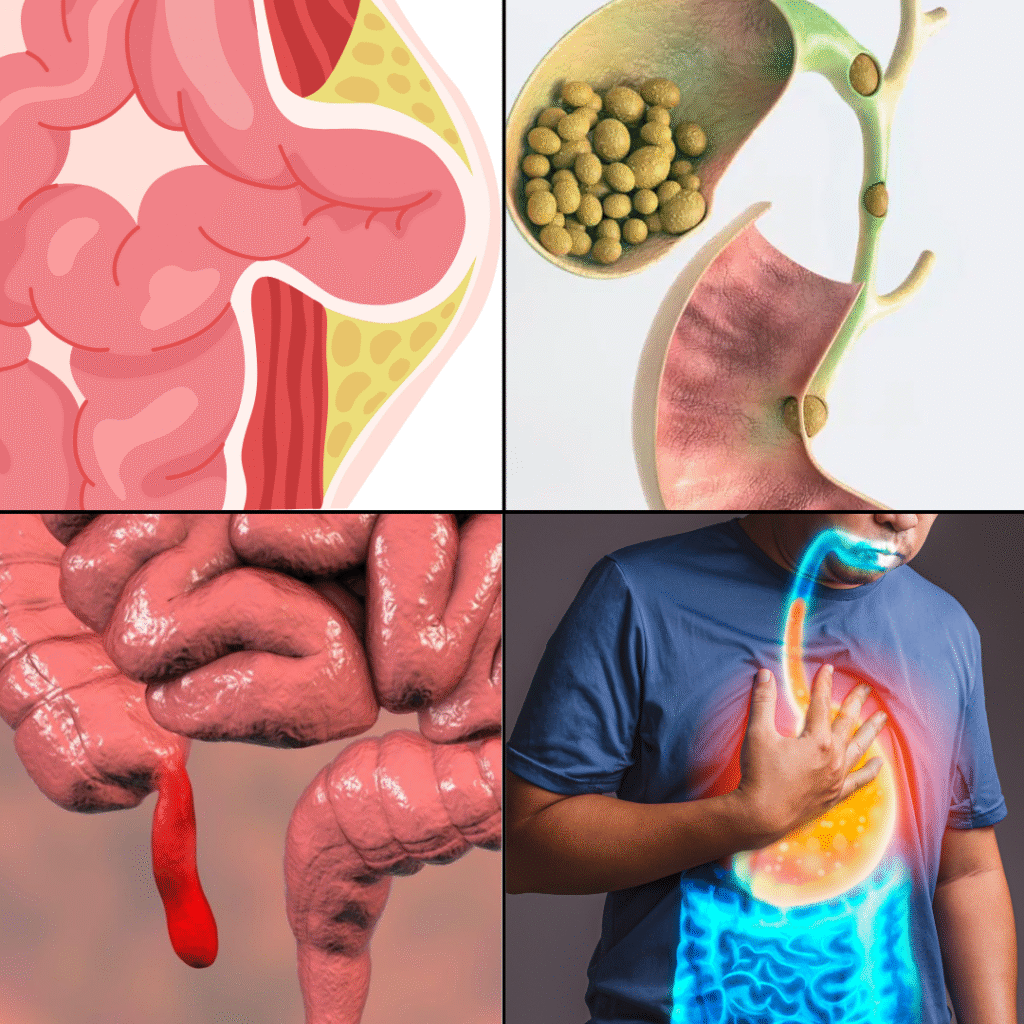
Many patients are suitable candidates, especially those requiring surgery for:
- Hernia
- Gallbladder stones
- Appendicitis
- GERD (selected patients)
- Colorectal conditions
- Certain abdominal emergencies
However, every patient is different.
Previous surgeries, severe infections, advanced disease, or certain medical conditions may influence whether laparoscopic surgery is the best option.
A detailed consultation helps determine the safest approach.
Can Laparoscopic Surgery Be Converted to Open Surgery?
Yes, although it is uncommon.
Sometimes, during surgery, the surgeon may decide that converting to an open procedure is the safest option. This decision is never considered a failure—it is made to ensure the patient’s safety if there are unexpected findings, excessive scarring, or technical challenges.
An experienced surgeon always prioritizes the safest outcome over completing every procedure laparoscopically.
Recovery After Laparoscopic Surgery
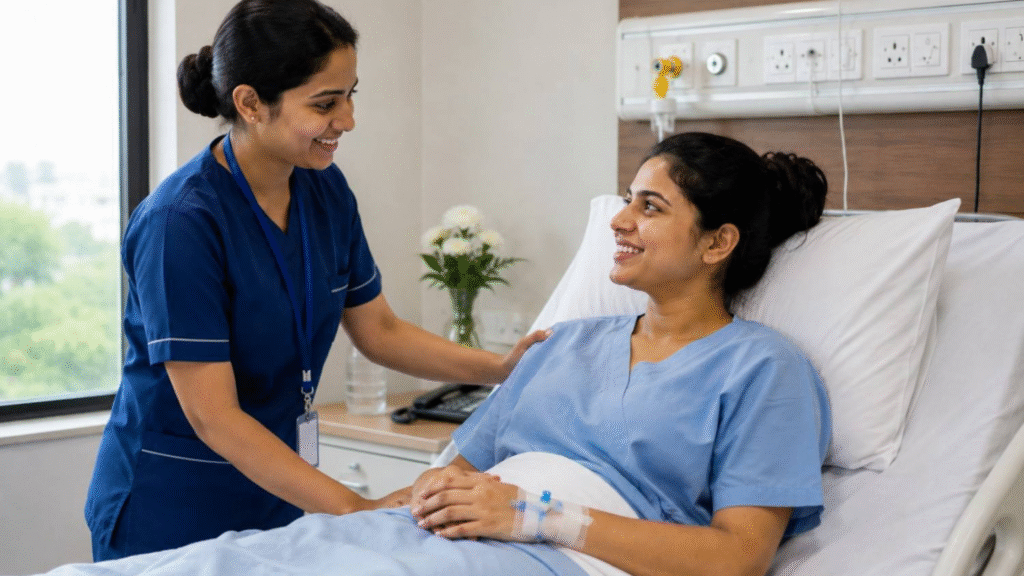
One of the biggest reasons patients prefer laparoscopic surgery is the recovery.
Most patients experience:
- Walking within a few hours after surgery
- Less postoperative discomfort
- Earlier discharge from the hospital (depending on the procedure)
- Faster return to work and routine activities
- Better cosmetic healing because of smaller scars
Recovery time still depends on the type of surgery and the patient’s overall health, but it is generally faster than with open surgery.
Advanced Laparoscopic Surgery in Jabalpur
If you are considering laparoscopic surgery, choosing an experienced surgeon is just as important as choosing the surgical technique.
Dr. Digant Pathak is an Advanced Hernia & Gallbladder Surgeon with more than 20 years of surgical experience and 16,000+ successful surgeries. He is highly experienced in advanced laparoscopic surgery for hernia, gallbladder disease, appendicitis, GERD, colorectal conditions, and other general surgical disorders.
Consultations are available at:
Care Multi Speciality Hospital
Ukhari Chowk, MR-4 Road, Jabalpur
With proper patient selection, modern surgical techniques, and experienced hands, laparoscopic surgery can provide excellent outcomes with a smoother recovery.
Frequently Asked Questions
Is laparoscopic surgery safer than open surgery?
For many common abdominal conditions, laparoscopic surgery offers advantages such as smaller incisions, less pain, quicker recovery, and lower wound-related complications. The best approach, however, depends on the individual patient’s condition.
Is laparoscopic surgery painful?
Most patients experience significantly less pain than with open surgery because the incisions are much smaller.
Can elderly patients undergo laparoscopic surgery?
Many elderly patients can safely undergo laparoscopic surgery after proper medical evaluation. Suitability depends on overall health rather than age alone.
Will I have large scars after laparoscopic surgery?
No. Laparoscopic surgery typically leaves only small scars because it uses tiny incisions instead of one large cut.
Can I go home the same day?
Some laparoscopic procedures allow same-day or next-day discharge, while others may require a slightly longer stay depending on the surgery and your recovery.