
If you frequently experience heartburn, acid reflux, chest burning, or a sour taste in your mouth, you may wonder whether you need an endoscopy.
The answer is: not everyone with GERD needs an endoscopy immediately. In many people, GERD can initially be evaluated based on symptoms and treated with appropriate medication and lifestyle changes. However, an endoscopy becomes important when symptoms are persistent, severe, unusual, or not responding adequately to treatment.
For some patients with long-standing or difficult-to-control GERD, endoscopy can also help determine whether the problem has progressed and whether a definitive treatment such as laparoscopic anti-reflux surgery should be considered.
What Is an Endoscopy and Why Is It Done for GERD?
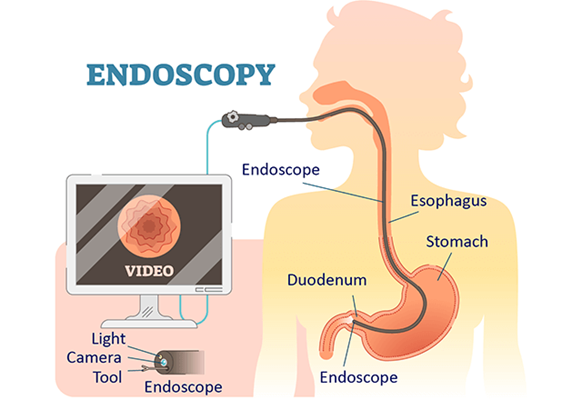
An upper gastrointestinal endoscopy, also called an upper GI endoscopy or EGD, allows a doctor to examine the lining of the food pipe, stomach, and the beginning of the small intestine using a thin flexible camera.
In GERD, an endoscopy can help identify problems such as esophagitis, ulcers, narrowing of the esophagus, or changes in the esophageal lining such as Barrett’s esophagus.
It can also help rule out other conditions that may cause symptoms similar to acid reflux.
However, a normal endoscopy does not necessarily mean that GERD is absent. Some patients with GERD can have normal-looking esophageal lining.
When Should You Consider an Endoscopy for GERD?
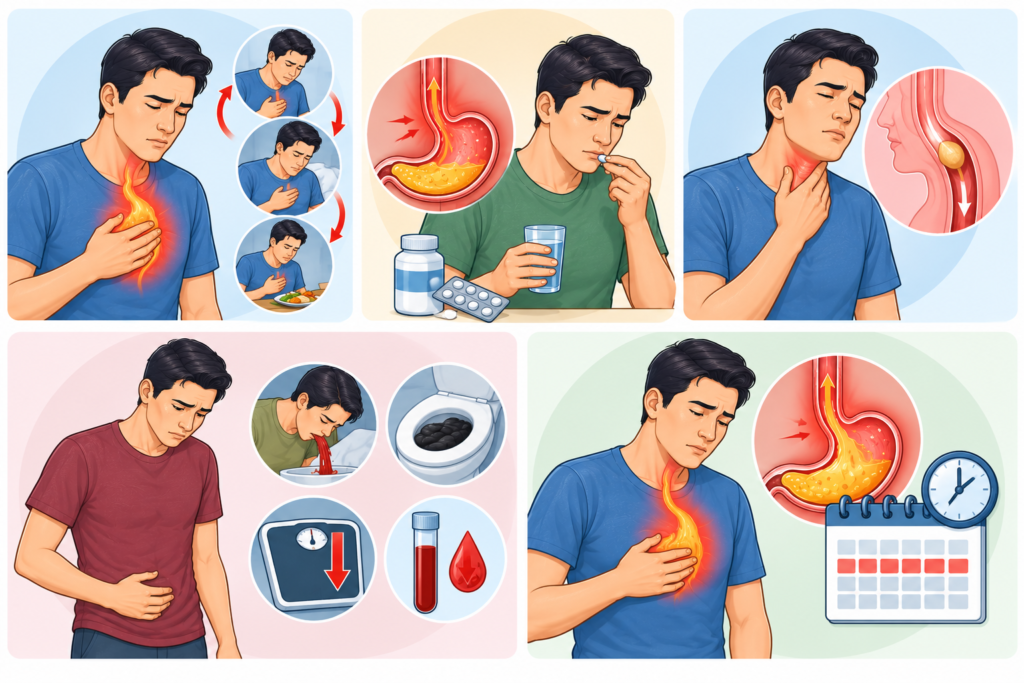
An endoscopy may be recommended when GERD symptoms are persistent, recurrent, severe, or associated with warning signs.
1. Your symptoms keep coming back
If you regularly experience heartburn or acid reflux despite making appropriate lifestyle changes and taking treatment as advised, your doctor may recommend further evaluation.
Persistent symptoms should not simply be managed by repeatedly taking medicines without understanding why they are continuing.
2. Medicines are not controlling your symptoms
If you have been taking appropriate acid-suppressing medication but continue to experience significant reflux, regurgitation, or burning, an endoscopy may help determine whether there is an underlying complication or another cause for your symptoms.
Sometimes the issue is not simply “too much acid.” The mechanical problem behind reflux can also need to be evaluated.
3. You have difficulty swallowing
Difficulty or pain while swallowing is an important warning sign.
If food feels like it is getting stuck, swallowing has become progressively difficult, or swallowing causes pain, you should consult a gastroenterologist or surgeon rather than continuing to self-treat acidity.
4. You have unexplained weight loss or bleeding
Symptoms such as unintentional weight loss, vomiting blood, black stools, persistent vomiting, or unexplained anemia require medical evaluation.
These are not symptoms that should be attributed to ordinary acidity without investigation.
5. You have long-standing GERD
People who have experienced reflux symptoms for many years may need evaluation depending on their age, symptom pattern, risk factors, and clinical history.
Long-standing reflux can sometimes cause inflammation or changes in the lining of the esophagus, which is why persistent GERD should be properly assessed.
Does Everyone With Acidity Need an Endoscopy?
No.
Occasional acidity or heartburn does not automatically mean that you need an endoscopy.
If your symptoms are mild, typical, and respond well to appropriate treatment, your doctor may initially manage GERD without an endoscopy.
The decision depends on your symptoms, duration, response to treatment, age, risk factors, and presence or absence of warning signs.
What If My Endoscopy Shows GERD?
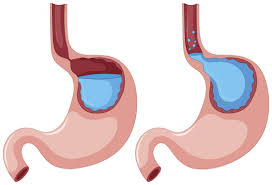
This is where the next question becomes important: Is the problem only inflammation, or is there an underlying reflux mechanism that needs to be addressed?
GERD often involves the lower esophageal sphincter and the anti-reflux barrier between the stomach and food pipe. In some patients, especially those with persistent symptoms or significant regurgitation, simply controlling acid may not completely solve the underlying problem.
If investigations show that a patient has significant reflux despite appropriate medical treatment, a surgeon may evaluate whether anti-reflux surgery is appropriate.
Can GERD Be Treated With Laparoscopic Surgery?
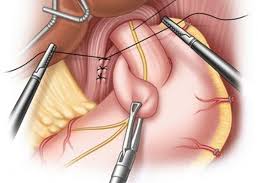
Yes. For appropriately selected patients, laparoscopic anti-reflux surgery can provide a long-term treatment option for GERD.
One commonly performed procedure is laparoscopic fundoplication, in which the surgeon reinforces the anti-reflux barrier at the junction of the stomach and esophagus.
The goal is not simply to reduce stomach acid. It is to address the mechanism that allows stomach contents to flow back into the esophagus.
Laparoscopic surgery is performed through small incisions rather than a large open abdominal incision. This can offer benefits such as smaller incisions, less postoperative discomfort, and faster recovery compared with traditional open surgery.
However, surgery is not necessary for every GERD patient. Proper patient selection and appropriate preoperative evaluation are essential.
When Should You Talk to a Laparoscopic Surgeon?
Consider discussing your condition with a laparoscopic surgeon if you have persistent GERD despite appropriate medical treatment, significant regurgitation, difficulty controlling symptoms, or if you are concerned about remaining dependent on long-term medication.
Before considering surgery, your doctor may recommend investigations such as endoscopy, reflux testing, or esophageal manometry, depending on your symptoms and previous test results.
These investigations help determine whether surgery is likely to benefit you.
GERD Treatment in Jabalpur
For patients in Jabalpur looking for evaluation and treatment of GERD, Dr. Digant Pathak, a laparoscopic and general surgeon, provides surgical evaluation for conditions that may require minimally invasive treatment.
With 20+ years of surgical experience and 16,000+ surgeries, Dr. Digant Pathak has a strong focus on laparoscopic surgery and gastrointestinal conditions.
Patients with persistent GERD can be evaluated to determine whether they require medical management, further diagnostic testing, or whether they may be candidates for laparoscopic anti-reflux surgery.
Care Multi Speciality Hospital
Ukhari Chowk, MR-4 Road, Jabalpur
Frequently Asked Questions
Can GERD be diagnosed without an endoscopy?
Yes. Many patients with typical GERD symptoms can initially be diagnosed and treated based on their symptoms and clinical history. Endoscopy is recommended when there are warning signs, persistent symptoms, complications are suspected, or further evaluation is needed.
Is endoscopy painful?
Upper GI endoscopy is generally performed with sedation or anesthesia as appropriate, so most patients tolerate the procedure well. Your doctor will explain the preparation and sedation process beforehand.
Can GERD cause permanent damage?
Persistent reflux can cause inflammation and, in some patients, complications such as narrowing of the esophagus or Barrett’s esophagus. This is why long-standing or troublesome GERD should be properly evaluated.
Can GERD be permanently cured by laparoscopic surgery?
Laparoscopic anti-reflux surgery can provide long-term symptom control for appropriately selected patients, but it is not suitable for everyone. Proper testing and surgical evaluation are important before deciding on surgery.
Do I need surgery if I have GERD?
Not necessarily. Most people with GERD do not automatically require surgery. Laparoscopic anti-reflux surgery is considered for selected patients, particularly when symptoms remain troublesome despite appropriate medical management or when there are other reasons to consider a procedural treatment.
What is the difference between GERD and normal acidity?
Occasional acidity can happen to many people. GERD refers to recurrent reflux of stomach contents into the esophagus that causes troublesome symptoms or complications. Frequent or persistent symptoms deserve proper evaluation rather than being repeatedly dismissed as “gas” or “acidity.”