
Abdominal pain can be confusing. Sometimes it is simple indigestion, sometimes it is an infection, and sometimes it is appendicitis, a condition that may require urgent treatment.
One of the most common questions patients ask after visiting a doctor is:
“Should I get an ultrasound or a CT scan for appendicitis?”
The answer depends on your age, symptoms, body type, and how clear the diagnosis is. Both tests are useful, but they are not equally effective in every situation.
Why Diagnosing Appendicitis Can Be Difficult

Appendicitis does not always present in the same way.
While many people develop classic symptoms such as:
- Pain starting around the navel and shifting to the right lower abdomen
- Loss of appetite
- Nausea or vomiting
- Fever
Others may have unusual symptoms that resemble:
- Food poisoning
- Gas
- Urinary infection
- Intestinal infection
- Kidney stones
This is why imaging tests often play an important role in confirming the diagnosis.
What Does an Ultrasound Show?
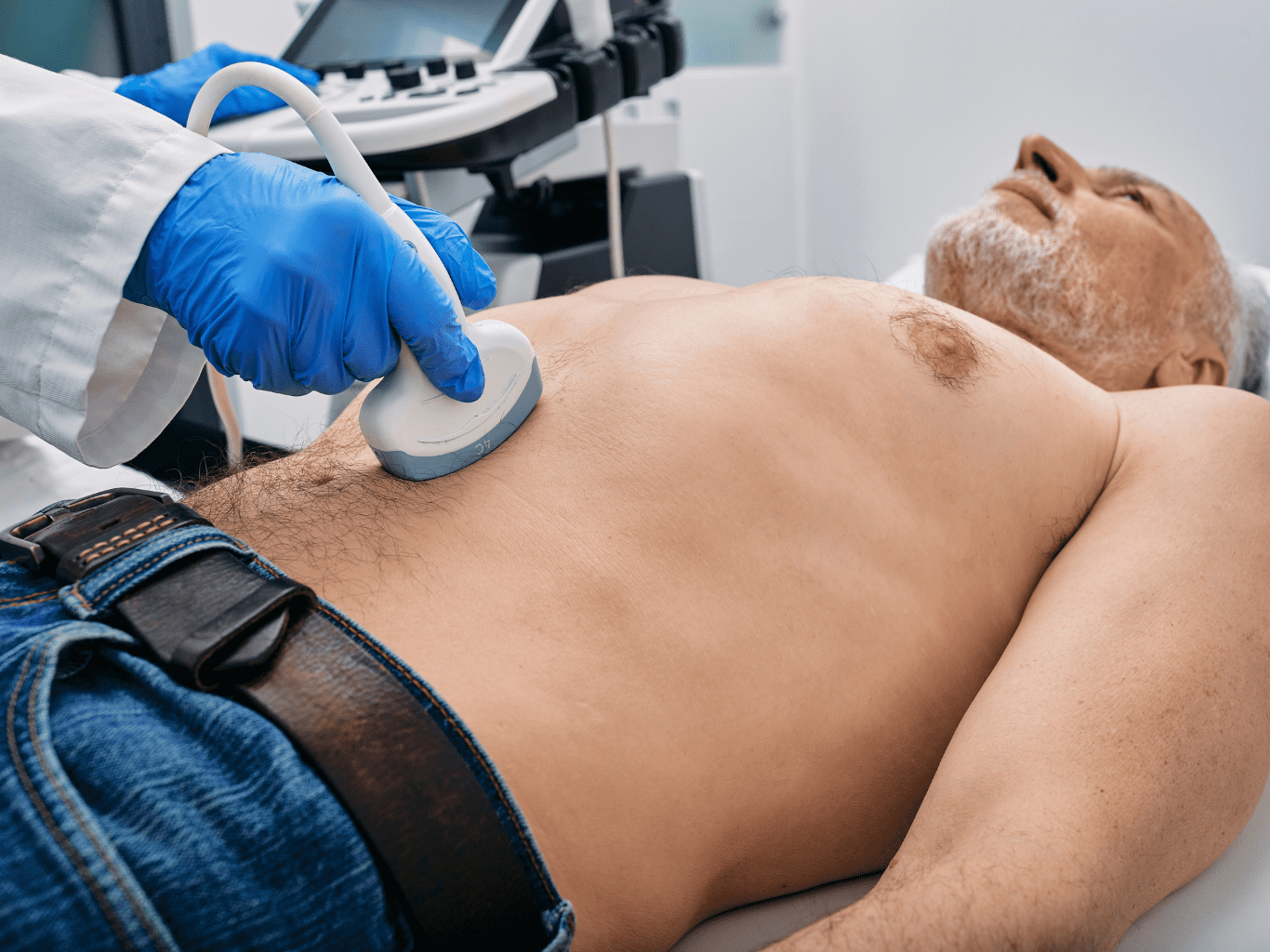
An ultrasound uses sound waves to create images of internal organs.
Advantages of Ultrasound
- No radiation exposure
- Non-invasive
- Widely available
- Usually less expensive
- Helpful in children and younger patients
- Can detect other abdominal problems as well
Limitations of Ultrasound
Ultrasound is highly dependent on:
- Patient body structure
- Amount of abdominal gas
- Position of the appendix
- Experience of the person performing the scan
Because of these factors, the appendix may not always be clearly visible.
A normal ultrasound does not always rule out appendicitis.
What Does a CT Scan Show?
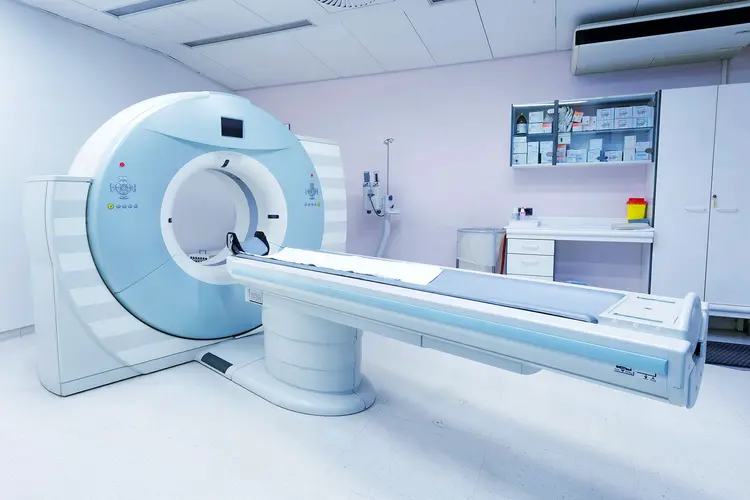
A CT scan provides detailed cross-sectional images of the abdomen.
Advantages of CT Scan
- Higher diagnostic accuracy
- Better visualization of the appendix
- Can detect complications such as:
- Ruptured appendix
- Appendicular abscess
- Appendicular mass
- Helps identify other causes of abdominal pain
Limitations of CT Scan
- Involves radiation exposure
- More expensive than ultrasound
- May not be required in every patient
CT Scan vs Ultrasound for Appendicitis
| Factor | Ultrasound | CT Scan |
|---|---|---|
| Radiation | No | Yes |
| Cost | Lower | Higher |
| Accuracy | Good | Higher |
| Appendix Visualization | Sometimes difficult | Usually clear |
| Detecting Complications | Limited | Excellent |
| First Investigation | Commonly used | Used when more clarity is needed |
So Which Test Is Better?
There is no single test that is best for every patient.
In many cases:
Step 1: Clinical examination by an experienced surgeon
Step 2: Ultrasound
Step 3: CT scan if the diagnosis remains uncertain
The most important factor is not the scan itself—it is the combination of:
- Symptoms
- Physical examination
- Blood tests
- Imaging findings
This is what helps reach an accurate diagnosis.
Why Early Diagnosis Matters

One of the biggest mistakes patients make is waiting for the pain to become unbearable.
Appendicitis can progress from a simple inflammation to:
- Rupture of the appendix
- Infection inside the abdomen
- Abscess formation
- More complex surgery
Early diagnosis usually means:
- Faster treatment
- Lower complication risk
- Quicker recovery
What Happens If Appendicitis Is Confirmed?
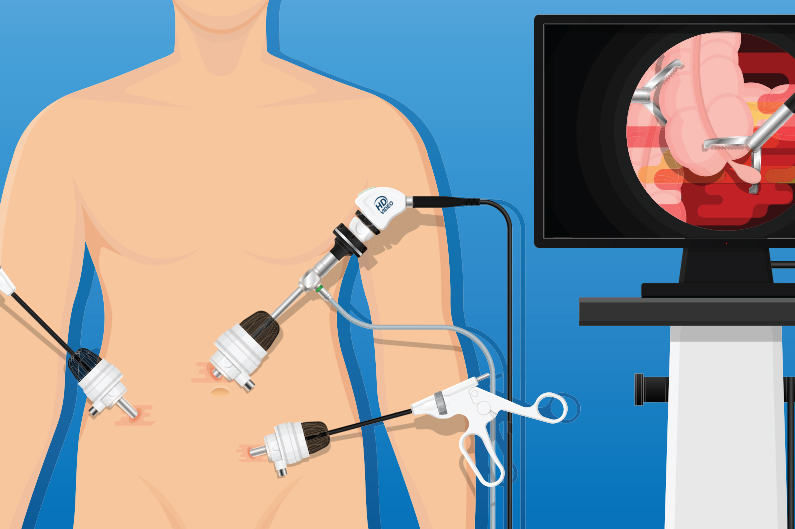
If appendicitis is diagnosed and surgery is recommended, many patients worry about:
- Pain
- Stitches
- Hospital stay
- Recovery time
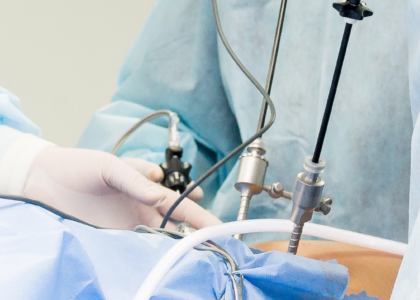
Today, laparoscopic appendicectomy is considered one of the most effective and patient-friendly treatment options for suitable cases.
Compared to traditional open surgery, laparoscopic surgery generally offers:
- Smaller incisions
- Less post-operative pain
- Faster recovery
- Earlier return to daily activities
- Better cosmetic outcome
- Lower wound-related complications
This is one reason why many surgeons prefer a laparoscopic approach whenever appropriate.
When Should You See a Doctor Immediately?
Seek urgent medical attention if you have:
- Pain moving to the right lower abdomen
- Increasing abdominal pain
- Fever
- Nausea or vomiting
- Difficulty walking because of pain
- Severe tenderness on the right side of the abdomen
These symptoms should not be ignored.
Appendicitis Treatment in Jabalpur
If you are experiencing symptoms that could be related to appendicitis, an early surgical evaluation can help prevent complications.
Dr. Digant Pathak is an Advanced Laparoscopic Surgeon with over 20 years of experience and 16,000+ successful surgeries. He specializes in laparoscopic procedures for appendicitis, hernia, gallbladder diseases, colorectal conditions, and GERD.
Consultation available at:
Care Multi Speciality Hospital
Ukhari Chowk, MR-4 Road, Jabalpur
Early diagnosis often means simpler treatment, quicker recovery, and better outcomes.
Frequently Asked Questions
Is ultrasound enough to diagnose appendicitis?
In many patients, yes. However, if the findings are unclear, a CT scan may be required for confirmation.
Can appendicitis be missed on ultrasound?
Yes. Depending on the position of the appendix and other factors, it may not always be visible.
Is CT scan more accurate than ultrasound?
Generally, CT scan provides higher diagnostic accuracy for appendicitis.
If my CT scan confirms appendicitis, will I need surgery?
Many confirmed cases require surgery, but the final decision depends on the severity and clinical findings.
Is laparoscopic appendix surgery safe?
Yes. For suitable patients, laparoscopic surgery is a safe and commonly preferred approach because of its faster recovery and smaller incisions.