
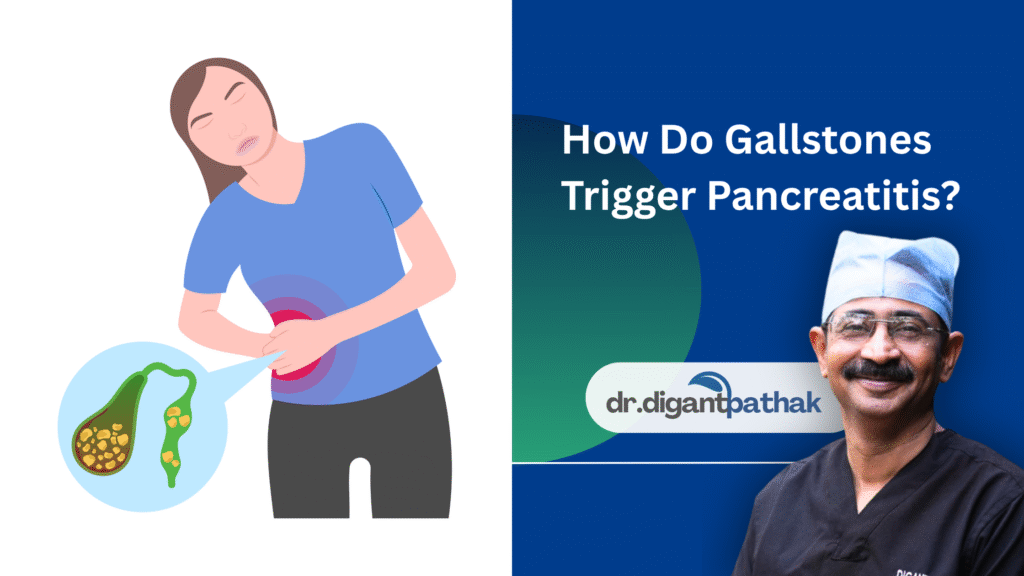
Gallstones are commonly associated with pain in the gallbladder, but many people don’t realize that they can also affect the pancreas, leading to a potentially serious condition called acute pancreatitis.
If you’ve ever been told that your gallstones have “reached the pancreas” or have caused pancreatitis, understanding how this happens can help you recognize the importance of timely treatment.
What Are Gallstones?

Gallstones are hardened deposits that form inside the gallbladder. They may vary in size from tiny grains to larger stones.
Many gallstones remain silent for years. However, problems begin when a stone moves out of the gallbladder and enters the bile duct.
This movement can block the normal flow of bile and, in some cases, also interfere with the pancreas.
How Do Gallstones Cause Pancreatitis?
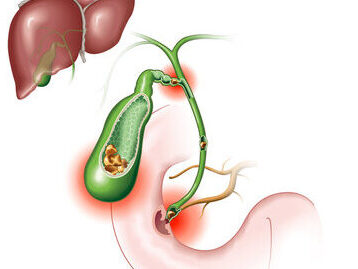
To understand this, it helps to know how these organs are connected.
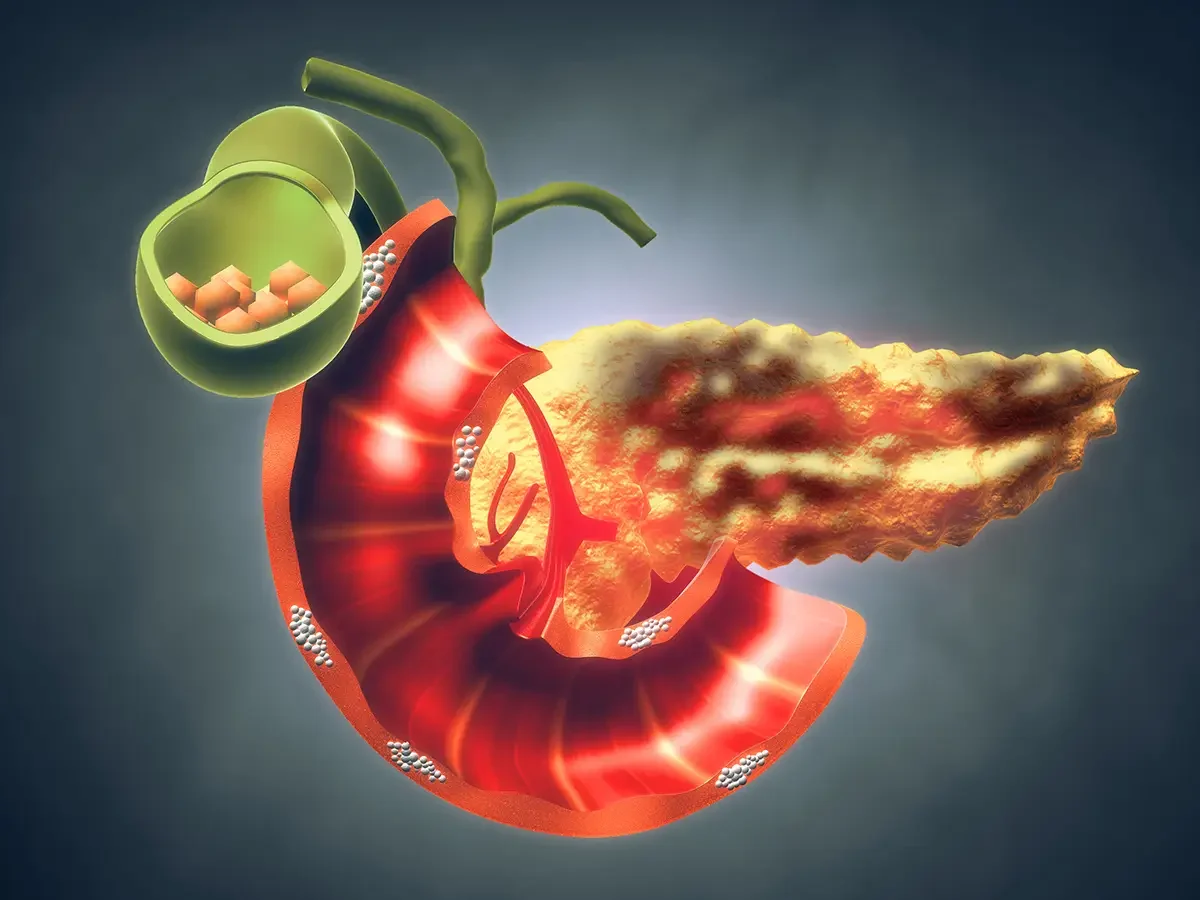
The gallbladder stores bile, which helps digest fats. The pancreas produces digestive enzymes that break down carbohydrates, proteins, and fats. Before entering the small intestine, the bile duct and pancreatic duct usually join at a common opening.
When a gallstone gets stuck at this junction:
- Bile cannot flow properly.
- Pancreatic enzymes cannot drain into the intestine.
- Pressure builds up inside the pancreatic duct.
- The trapped enzymes start damaging pancreatic tissue.
This inflammation is called acute gallstone pancreatitis.
Symptoms of Gallstone Pancreatitis

Gallstone pancreatitis often causes symptoms that are much more severe than a typical gallbladder stone attack.
Common symptoms include:
- Severe upper abdominal pain, often spreading to the back
- Persistent pain that does not improve
- Nausea and repeated vomiting
- Fever
- Abdominal tenderness
- Difficulty eating due to intense pain
Unlike routine gallbladder pain, pancreatitis usually makes patients feel significantly unwell and often requires hospitalization.
Why Is It Considered a Medical Emergency?
Acute pancreatitis can range from mild inflammation to a life-threatening illness.
If left untreated, it may lead to:
- Infection of the pancreas
- Fluid collection around the pancreas
- Damage to surrounding organs
- Breathing problems
- Kidney complications
- Multi-organ failure in severe cases
Early diagnosis and treatment greatly improve outcomes.
How Is Gallstone Pancreatitis Diagnosed?
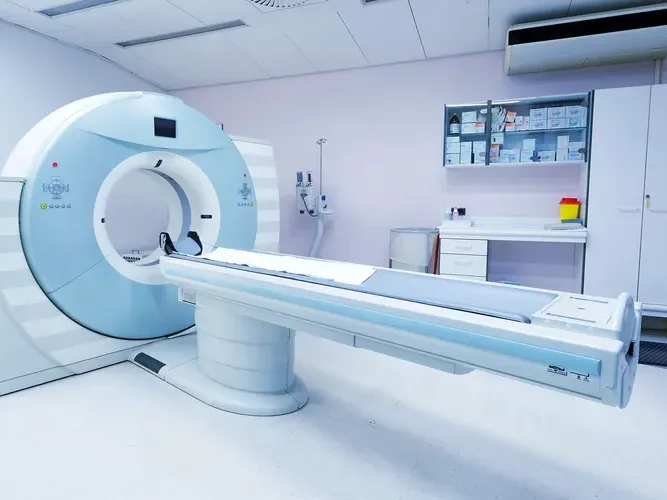
Your doctor may recommend:
- Blood tests to check pancreatic enzyme levels (amylase and lipase)
- Liver function tests
- Ultrasound to identify gallstones
- CT scan if pancreatitis is suspected or complications need evaluation
- MRCP in selected cases to detect stones within the bile duct
The choice of investigation depends on your symptoms and clinical condition.
Why Removing the Gallbladder Is Important
Treating pancreatitis alone is not enough if gallstones remain in the gallbladder.
If the gallbladder is not removed:
- Stones can migrate again.
- Another attack of pancreatitis can occur.
- Recurrent attacks may permanently damage the pancreas.
- There is also a risk of recurrent gallbladder infections or bile duct blockage.
Removing the gallbladder addresses the source of the problem, helping prevent future attacks.
Why Laparoscopic Gallbladder Surgery Is Often the Preferred Option
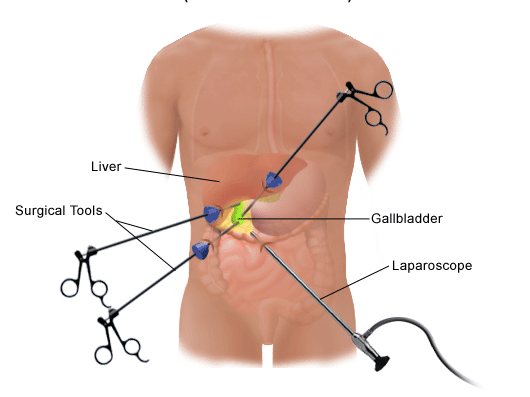
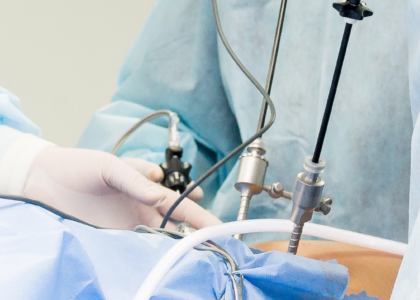
For most patients, laparoscopic gallbladder removal (laparoscopic cholecystectomy) is considered the standard treatment once it is safe to proceed.
Compared with traditional open surgery, laparoscopic surgery offers several advantages:
- Smaller incisions
- Less postoperative pain
- Faster recovery
- Shorter hospital stay
- Earlier return to daily activities
- Lower risk of wound-related complications
The timing of surgery depends on the severity of pancreatitis and your overall condition. Your surgeon will recommend the safest approach based on your recovery.
When Should You See a Doctor?
Seek immediate medical attention if you have:
- Severe pain in the upper abdomen
- Pain that spreads to the back
- Persistent vomiting
- Fever with abdominal pain
- Yellowing of the eyes or skin
- A known history of gallstones along with sudden severe abdominal pain
Ignoring these symptoms can delay treatment and increase the risk of complications.
Gallstone and Pancreatitis Treatment in Jabalpur
If you have gallstones or have experienced an episode of pancreatitis, timely evaluation by an experienced laparoscopic surgeon is important.
Dr. Digant Pathak is an Advanced Laparoscopic and General Surgeon with over 20 years of experience and 16,000+ successful surgeries. He specializes in laparoscopic gallbladder surgery, hernia surgery, gastrointestinal surgery, and the management of gallstone-related complications, including gallstone pancreatitis.
Consultations are available at Care Multi Speciality Hospital, Ukhari Chowk, MR-4 Road, Jabalpur. Early diagnosis and timely laparoscopic treatment can help prevent recurrent attacks and reduce the risk of serious complications.
Frequently Asked Questions
Can small gallstones cause pancreatitis?
Yes. In fact, small gallstones are often more likely to migrate into the bile duct, making them a common cause of gallstone pancreatitis.
Can pancreatitis heal without removing the gallbladder?
The inflammation may settle with treatment, but if gallstones remain, another attack can occur. Removing the gallbladder is usually recommended to prevent recurrence.
Is laparoscopic gallbladder surgery safe after pancreatitis?
Yes. Once the acute inflammation is under control and your surgeon determines it is safe, laparoscopic cholecystectomy is the preferred treatment for most patients.
Can gallstones come back after gallbladder removal?
No. Once the gallbladder is removed, gallstones cannot form inside it again, eliminating the source of recurrent gallstone attacks.
Can every patient with gallstones develop pancreatitis?
No. Most people with gallstones never develop pancreatitis. However, because it is impossible to predict who will experience this complication, symptomatic gallstones should be evaluated and treated appropriately rather than ignored.