
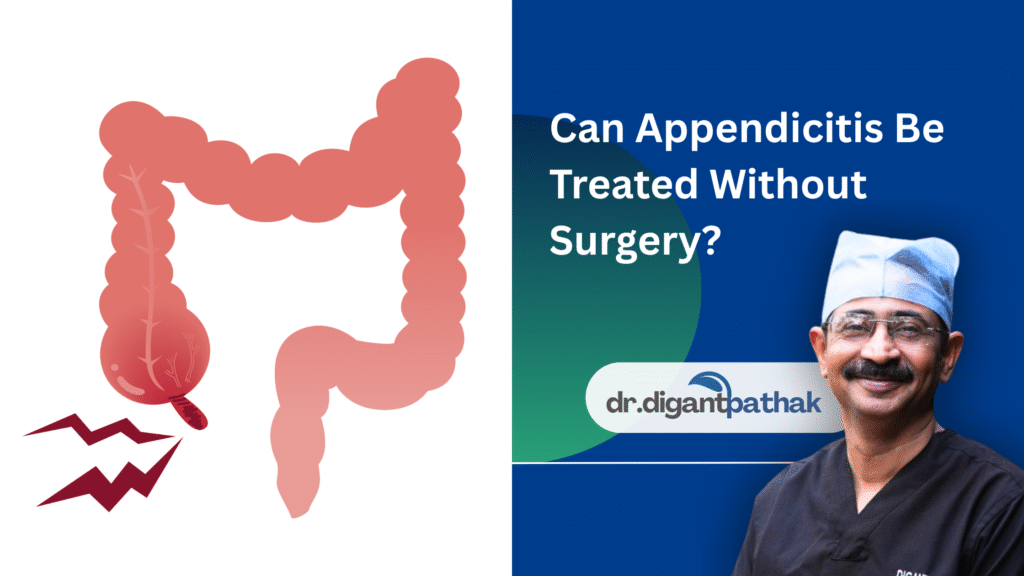
Appendicitis is one of the most common surgical emergencies, yet many patients ask the same question:
“Can appendicitis be treated with medicines instead of surgery?”
The answer depends on how severe the appendicitis is. While antibiotics may help in a small number of carefully selected cases, surgery remains the most effective and permanent treatment for most patients. Delaying surgery when it is needed can increase the risk of serious complications.
What Is Appendicitis?

The appendix is a small, finger-shaped pouch attached to the large intestine. When it becomes blocked, bacteria multiply inside it, leading to inflammation and infection. This condition is known as appendicitis.
If left untreated, the swollen appendix can burst, allowing infection to spread throughout the abdomen. This can become a life-threatening emergency.
Can Antibiotics Cure Appendicitis?
In some patients with very early, uncomplicated appendicitis, doctors may consider treatment with antibiotics.
However, there are important limitations:
- The appendix remains inside the body.
- The underlying problem is not eliminated.
- Studies have shown that many patients treated only with antibiotics experience another episode of appendicitis within a few years.
- If the condition worsens despite antibiotics, emergency surgery may become necessary.
For these reasons, antibiotics are not the best long-term solution for most patients.
When Is Surgery the Better Option?
Surgery is usually recommended if:
- The diagnosis of appendicitis is confirmed.
- Pain is increasing or becoming severe.
- There is a risk of rupture.
- The appendix has already burst.
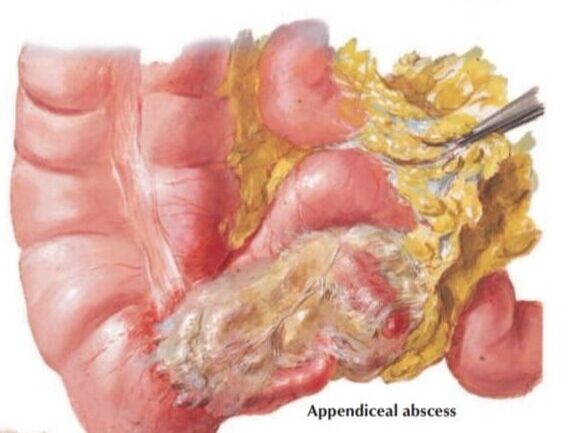
- There is an abscess or widespread infection.
- Symptoms return after previous treatment with antibiotics.
Removing the appendix eliminates the source of infection and significantly reduces the risk of recurrence.
Why Laparoscopic Surgery Is Preferred
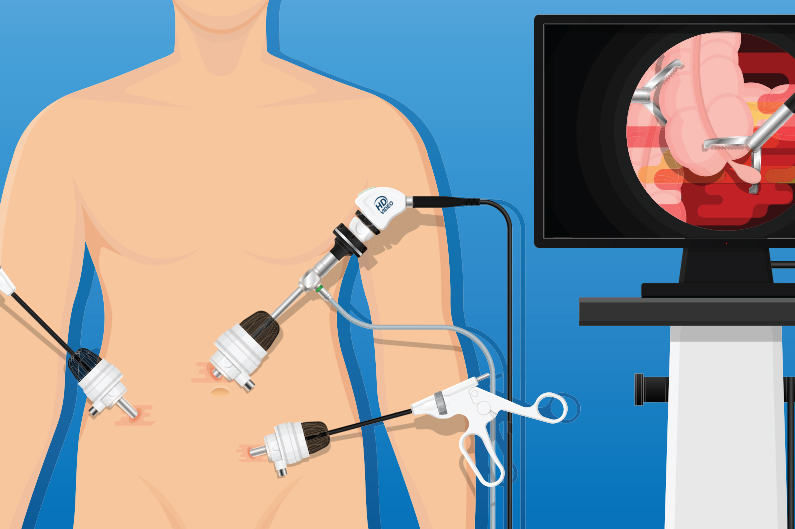
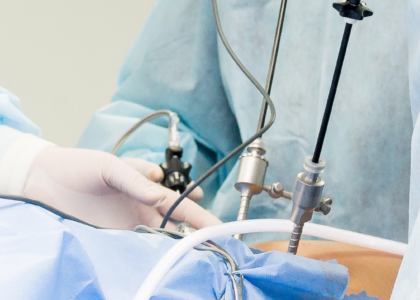
Today, most appendicitis surgeries can be performed using laparoscopic (keyhole) surgery, which involves a few small incisions instead of one large cut.
Compared to open surgery, laparoscopic surgery offers several advantages:
- Smaller incisions
- Less postoperative pain
- Lower risk of wound infection
- Minimal scarring
- Faster recovery
- Shorter hospital stay
- Quicker return to work and daily activities
For many patients, laparoscopic surgery is a safe, effective, and comfortable treatment option when performed by an experienced surgeon.
What Happens If You Delay Surgery?

Many people try to tolerate the pain or wait for it to improve with painkillers or home remedies.
Unfortunately, appendicitis usually does not resolve on its own.
Delaying treatment can lead to:
- Rupture of the appendix
- Spread of infection inside the abdomen (peritonitis)
- Formation of an abscess
- More complicated surgery
- Longer recovery and higher treatment costs
Early treatment is generally safer than emergency treatment after complications develop.
Signs You Should Not Ignore

Seek medical attention immediately if you have:
- Pain that starts near the navel and shifts to the lower right side of the abdomen
- Pain that becomes progressively worse
- Fever
- Loss of appetite
- Nausea or vomiting
- Pain while walking, coughing, or changing position
These symptoms require prompt evaluation by a doctor.
When Should You See a Surgeon?
Do not wait if:
- The abdominal pain is becoming more intense.
- The pain is localized to the lower right abdomen.
- Fever accompanies the pain.
- Painkillers are not providing relief.
- The symptoms have lasted for several hours or are worsening.
Prompt diagnosis can prevent complications and make treatment simpler.
Appendicitis Treatment in Jabalpur
If you have symptoms of appendicitis, timely consultation is essential.
Dr. Digant Pathak is an Advanced Laparoscopic and General Surgeon with over 20 years of surgical experience and 16,000+ successful surgeries. He specializes in laparoscopic appendectomy, hernia surgery, gallbladder surgery, GERD, and colorectal procedures.
At Care Multi Speciality Hospital, Ukhari Chowk, MR-4 Road, Jabalpur, patients receive timely evaluation and modern laparoscopic treatment whenever appropriate.
Early diagnosis and treatment can help prevent complications such as appendix rupture and reduce recovery time.
Frequently Asked Questions
Can appendicitis heal without surgery?
Some very early cases may temporarily improve with antibiotics, but surgery remains the most reliable and permanent treatment for most patients.
Can I live without my appendix?
Yes. The appendix is not essential for normal day-to-day life, and people live healthy lives after its removal.
Is laparoscopic appendectomy safe?
Yes. When performed by an experienced laparoscopic surgeon, it is considered a safe procedure with faster recovery and less postoperative pain than traditional open surgery.
How long does recovery take after laparoscopic appendix surgery?
Many patients are able to resume light daily activities within a few days, although recovery varies depending on the individual and the severity of the appendicitis.
Is every patient with appendicitis operated immediately?
Not always. The treatment plan depends on the patient’s condition, imaging findings, and overall health. However, most confirmed cases eventually require surgery for a permanent solution.