
If you’ve been taking acidity medicines for months—or even years—you’ve probably wondered:
“Will I have to take these medicines forever, or is there a permanent treatment for GERD?”
It’s one of the most common questions patients ask.
The answer isn’t the same for everyone. While medications help many people manage symptoms, they do not always treat the underlying cause of GERD. In some cases, surgery offers a more durable, long-term solution.
Let’s understand when medicines are enough and when surgery becomes the better option.
What Is GERD?
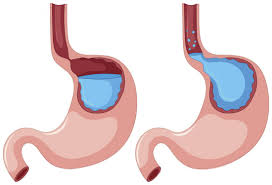
GERD (Gastroesophageal Reflux Disease) is a condition in which stomach acid repeatedly flows back into the food pipe (esophagus).
Normally, a muscular valve called the Lower Esophageal Sphincter (LES) prevents stomach contents from moving upward. When this valve becomes weak or doesn’t close properly, acid escapes into the esophagus, causing repeated irritation.
This is why GERD is more than just occasional acidity.
Medicines for GERD: What Do They Actually Do?
Medicines such as proton pump inhibitors (PPIs) and acid-reducing drugs are highly effective in relieving symptoms for many patients.
They work by:
- Reducing the amount of acid produced by the stomach
- Allowing the inflamed food pipe to heal
- Providing relief from heartburn and acid reflux
For patients with mild or occasional GERD, medicines along with lifestyle modifications may be sufficient.
However, it’s important to understand one thing:
These medicines reduce acid—they do not repair the weak valve causing the reflux.
As a result, symptoms often return when the medication is stopped.
When Medicines May Not Be Enough

You should speak to a surgeon if:
- You need acid medicines every day for months or years
- Symptoms return as soon as medicines are stopped
- Heartburn continues despite treatment
- You have regurgitation (food or sour liquid coming back into the mouth)
- GERD is affecting your sleep or daily activities
- Tests show complications such as severe inflammation or Barrett’s Esophagus
These situations may indicate that simply controlling acid is no longer enough.
When Can Surgery Be a Better Option?
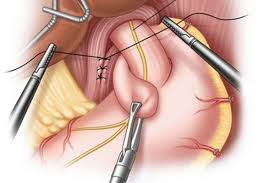
If GERD is caused by a weak anti-reflux valve, surgery aims to correct the mechanical problem instead of simply suppressing acid production.
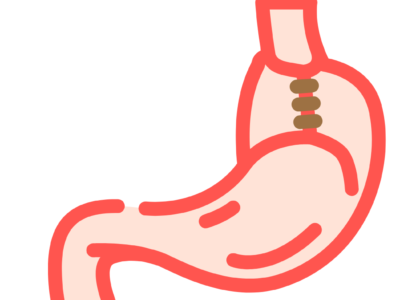
The most commonly performed procedure is laparoscopic fundoplication, in which the upper part of the stomach is wrapped around the lower end of the food pipe to strengthen the valve and prevent acid reflux.
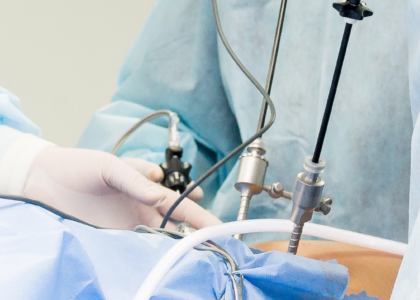
Because the surgery is performed laparoscopically, it involves:
- Small keyhole incisions
- Less postoperative pain
- Faster recovery
- Shorter hospital stay
- Earlier return to normal activities
For carefully selected patients, this approach can significantly reduce or eliminate reflux symptoms and decrease dependence on long-term medications.
Who Is a Good Candidate for Anti-Reflux Surgery?
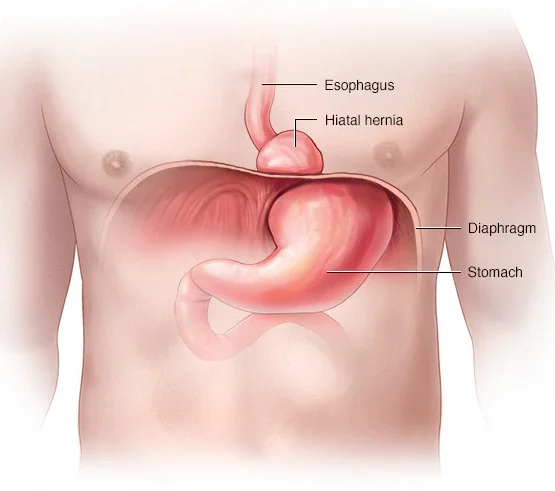
Surgery may be recommended if you:
- Have chronic GERD confirmed through medical evaluation
- Require long-term medication to control symptoms
- Have a hiatus hernia associated with GERD
- Continue to experience reflux despite proper treatment
- Prefer a long-term solution after understanding the benefits and risks
Not every patient with acidity requires surgery. The decision is based on your symptoms, investigations, and overall health.
Why Ignoring GERD Is Not a Good Idea
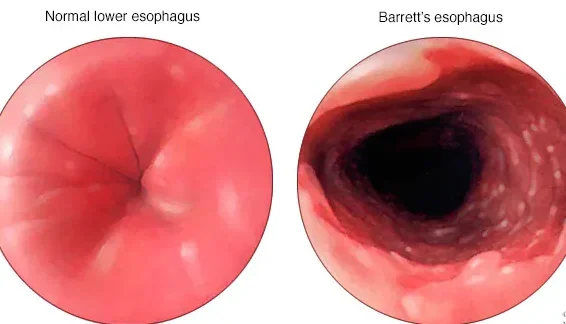
Many people think acidity is simply an inconvenience. But persistent acid reflux can gradually damage the lining of the food pipe.
Untreated GERD may lead to:
- Persistent inflammation (esophagitis)
- Narrowing of the food pipe (stricture)
- Difficulty swallowing
- Barrett’s Esophagus, a condition that increases the risk of esophageal cancer in some patients
- Reduced quality of life due to chronic symptoms
Early evaluation helps identify the right treatment before complications develop.
How Is the Right Treatment Decided?
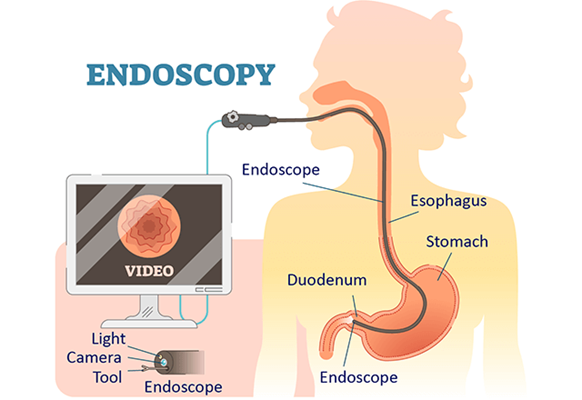
Your doctor may recommend investigations such as:
- Upper GI endoscopy
- Esophageal manometry
- 24-hour pH monitoring (in selected cases)
- Imaging studies, if required
These tests help determine the severity of GERD and whether surgery is likely to provide long-term benefit.
GERD Treatment in Jabalpur
If you have been living with persistent acidity, frequent heartburn, or reflux despite medications, don’t assume lifelong medicines are your only option.
Dr. Digant Pathak is an Advanced Laparoscopic and General Surgeon with over 20 years of surgical experience and 16,000+ successful surgeries. He specializes in minimally invasive procedures, including laparoscopic surgery for GERD and hiatus hernia, helping patients achieve long-term relief with faster recovery.
Consultation available at:
Care Multi Speciality Hospital
Ukhari Chowk, MR-4 Road, Jabalpur
A proper evaluation can help determine whether lifestyle changes, medications, or laparoscopic surgery is the most appropriate treatment for you.
Frequently Asked Questions
Can GERD be cured permanently with medicines?
Medicines effectively control symptoms, but they generally do not correct the weak valve responsible for reflux. Symptoms often return after stopping medication.
Is laparoscopic surgery a permanent solution for GERD?
For appropriately selected patients, laparoscopic anti-reflux surgery addresses the underlying cause of reflux and can provide long-term symptom relief. Your suitability should be determined after proper evaluation.
Is GERD surgery safe?
When performed by an experienced laparoscopic surgeon, anti-reflux surgery is considered a safe and well-established procedure, although every surgery carries some risks that should be discussed with your surgeon.
How long is the recovery after laparoscopic GERD surgery?
Most patients recover faster compared to traditional open surgery because the procedure is performed through small incisions. Recovery timelines vary depending on the individual.
Can I stop taking acidity medicines after surgery?
Many patients require fewer or no acid-suppressing medicines after successful anti-reflux surgery, but outcomes vary. Your doctor will guide you based on your recovery and follow-up.