
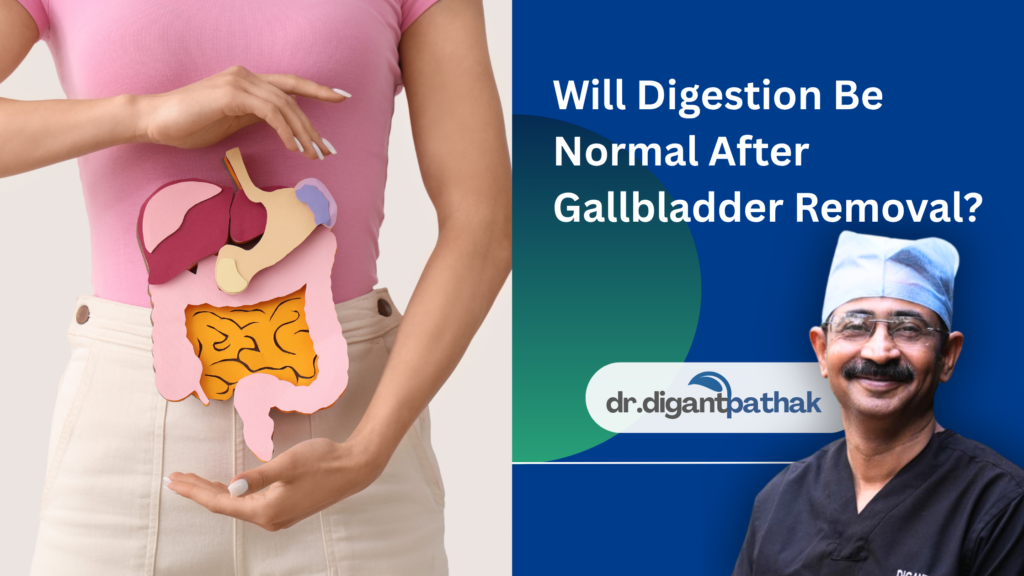
One of the most common concerns people have before gallbladder surgery is: “If my gallbladder is removed, will I be able to digest food normally?”
The short answer is yes, most people can return to a normal diet and normal digestion after gallbladder removal. The gallbladder stores bile, but it does not produce it. Your liver continues to make bile even after the gallbladder is removed.
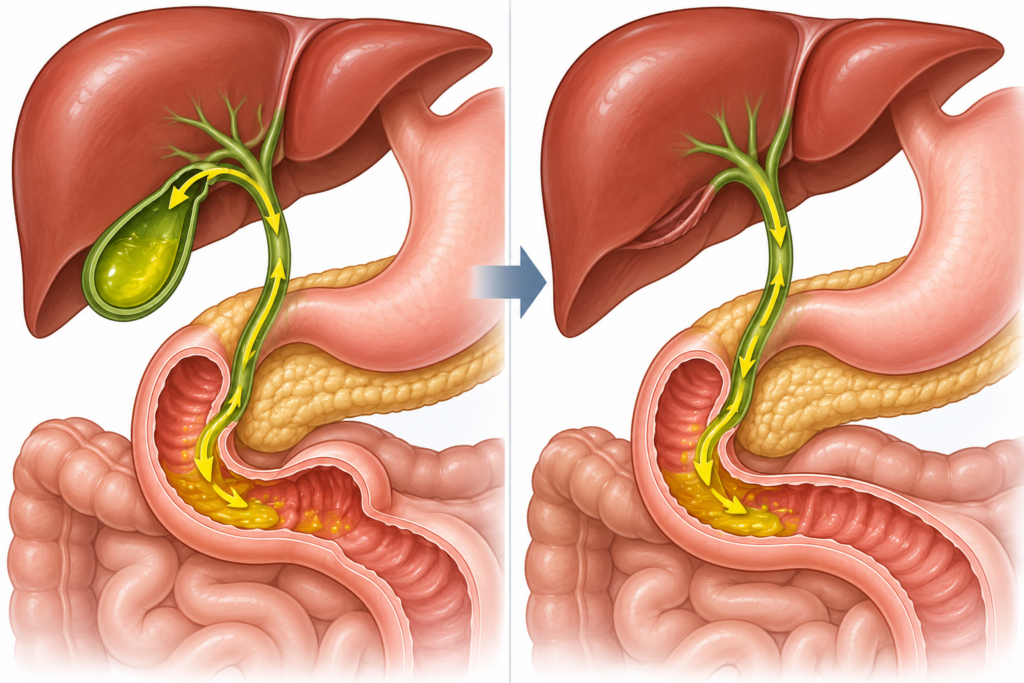
What changes is how bile reaches the intestine. Instead of being stored and released from the gallbladder mainly when you eat, bile flows continuously from the liver into the small intestine.
What Does the Gallbladder Actually Do?
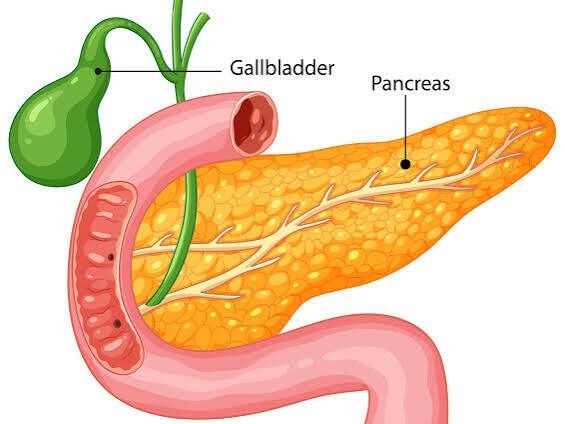
The gallbladder is a small, pear-shaped organ located beneath the liver. Its main function is to store and concentrate bile produced by the liver.
When you eat, particularly a fatty meal, the gallbladder contracts and releases bile into the intestine to help digest fats.
When the gallbladder is removed, your liver continues producing bile normally. The body simply adapts to the fact that bile is no longer being stored in the gallbladder.
So, removing the gallbladder does not mean that your body loses the ability to digest food.
Will Digestion Change After Gallbladder Removal?
For most people, digestion becomes normal again after the initial recovery period.
Some patients may experience temporary symptoms such as:
- Loose stools
- Increased frequency of bowel movements
- Bloating or gas
- Mild abdominal discomfort
- Difficulty tolerating very fatty or oily foods initially
These symptoms are usually related to the body’s adjustment to the continuous flow of bile and often improve with time.
Most people eventually return to their regular eating habits.
Can I Eat Normally After Gallbladder Surgery?
Yes. You may need to be slightly careful with your diet immediately after surgery, especially during the first few days or weeks.
It is generally easier to tolerate smaller, lighter meals initially. Very oily, fried, or excessively fatty foods may temporarily cause loose stools or discomfort in some people.
As your body adjusts, you can gradually reintroduce different foods and return towards your normal diet.
Gallbladder removal does not mean you have to follow a lifelong restrictive diet.
What About Fat Digestion?
This is another common misconception.
Your gallbladder does not produce bile. Your liver continues to produce bile even after gallbladder removal.
Because bile continues to reach the intestine, your body can still digest fats. The main difference is that bile is no longer stored and released in larger amounts from the gallbladder in response to a meal.
For most people, this difference does not cause a long-term problem with digestion.
Why Is Laparoscopic Gallbladder Surgery Preferred?
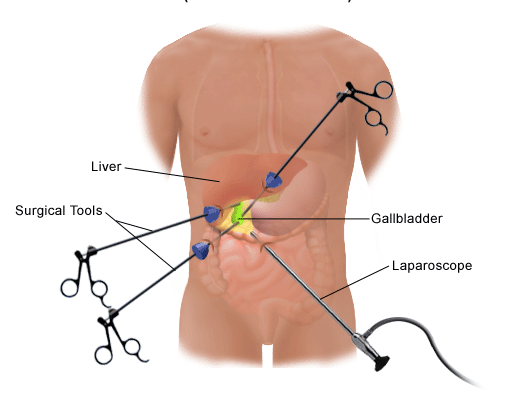
When gallbladder removal is required, laparoscopic cholecystectomy is a minimally invasive approach commonly used for removing the gallbladder.
Instead of making one large abdominal incision, the surgeon operates through small incisions using a camera and specialized instruments.
This approach generally means:
- Smaller incisions
- Less postoperative pain
- Less tissue trauma
- Faster return to routine activities
- Shorter hospital stay in appropriate patients
- Smaller scars compared with conventional open surgery
For a patient who is suitable for laparoscopic surgery, the minimally invasive approach can make the recovery period significantly more comfortable.
Does Removing the Gallbladder Solve the Problem Permanently?
If gallstones are causing repeated pain, inflammation, or other gallbladder-related complications, simply removing the stones may not solve the underlying problem because the gallbladder remains capable of developing stones again.
Gallbladder removal removes the diseased gallbladder itself, which is why laparoscopic cholecystectomy is often recommended when surgery is indicated.
The exact treatment, however, depends on the patient’s symptoms, investigations, and overall medical condition.
What Should You Expect After Laparoscopic Gallbladder Removal?
Recovery is different for every patient, but laparoscopic surgery generally allows patients to become mobile relatively early.
You may experience some abdominal discomfort or bloating initially. Some patients also notice temporary changes in bowel habits.
As healing progresses, most patients gradually return to their usual activities and diet.
The goal is not to live with permanent food restrictions after gallbladder surgery. The goal is to return to a normal life without recurrent gallbladder-related pain and complications.
When Should You Consult a Doctor After Surgery?
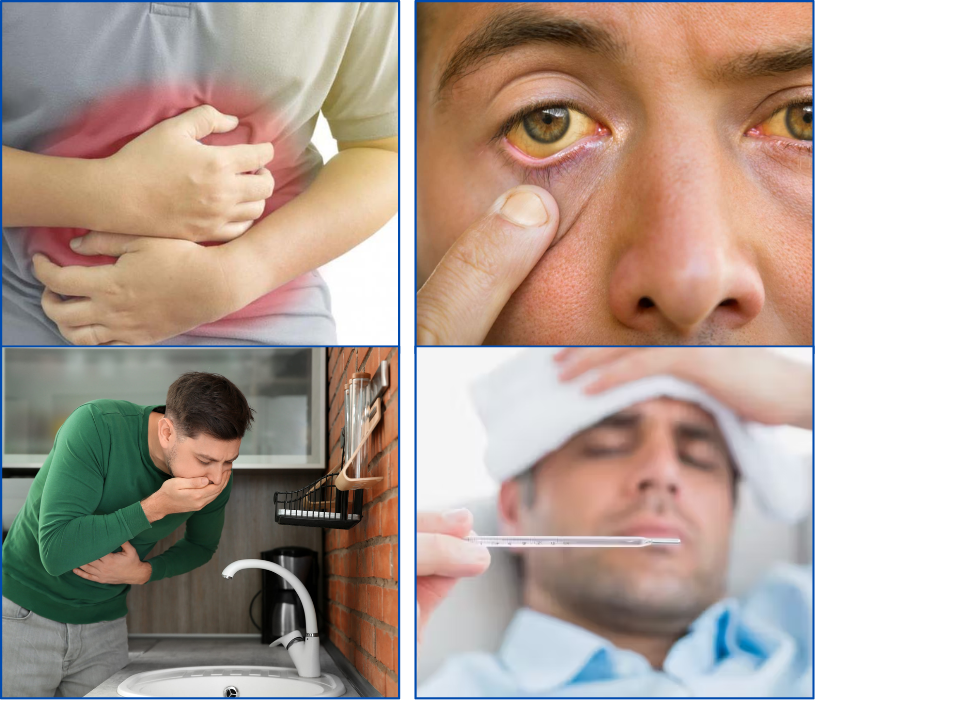
Some digestive changes can occur during recovery, but persistent or severe symptoms should not simply be assumed to be “normal.”
Consult your surgeon if you develop:
- Persistent or worsening abdominal pain
- Repeated vomiting
- Persistent diarrhea
- Fever
- Yellowing of the eyes or skin
- Increasing abdominal swelling
- Difficulty eating or drinking
These symptoms require proper evaluation to determine their cause.
Gallbladder Treatment in Jabalpur
If you have recurrent pain after eating, particularly in the upper right or upper middle abdomen, nausea, vomiting, or symptoms associated with gallstones, a proper evaluation is important before deciding whether surgery is required.
Dr. Digant Pathak, a laparoscopic surgeon in Jabalpur, specializes in laparoscopic and general surgery, including gallbladder procedures.
With 20+ years of surgical experience and 16,000+ surgeries, Dr. Pathak focuses on minimally invasive surgical techniques whenever they are appropriate for the patient.
Consultation is available at Care Multi Speciality Hospital, Ukhari Chowk, MR-4 Road, Jabalpur.
Frequently Asked Questions
Can I eat everything after gallbladder removal?
Most people can eventually return to a normal diet. Some foods, particularly very fatty or oily foods, may cause temporary discomfort or loose stools during the adjustment period.
Will I have loose motions after gallbladder surgery?
Some patients experience loose stools or more frequent bowel movements initially. This often improves as the digestive system adapts.
Does gallbladder removal affect digestion permanently?
For most people, digestion remains normal in the long term. The liver continues producing bile even though the gallbladder has been removed.
Is laparoscopic gallbladder surgery safe?
Laparoscopic gallbladder removal is a widely used minimally invasive procedure. As with any surgery, there are potential risks, and suitability depends on the individual patient’s condition.
How long does it take to recover from laparoscopic gallbladder surgery?
Recovery varies depending on the patient’s health, the complexity of the surgery, and the presence of complications. Many patients are able to resume routine activities relatively quickly after uncomplicated laparoscopic surgery.
Can gallstones come back after gallbladder removal?
Once the gallbladder has been removed, gallstones cannot form inside the gallbladder itself. However, stones can occasionally be present or develop in the bile ducts, which is a different condition.