
If you’ve been advised to undergo surgery, one of the first questions that may come to mind is:
“Should I choose open surgery or laparoscopic surgery?”
This is an important question because the type of surgery can affect your recovery time, pain levels, hospital stay, and how quickly you return to your normal routine.
While both techniques aim to treat the same problem, the way they are performed is very different.
What Is Open Surgery?
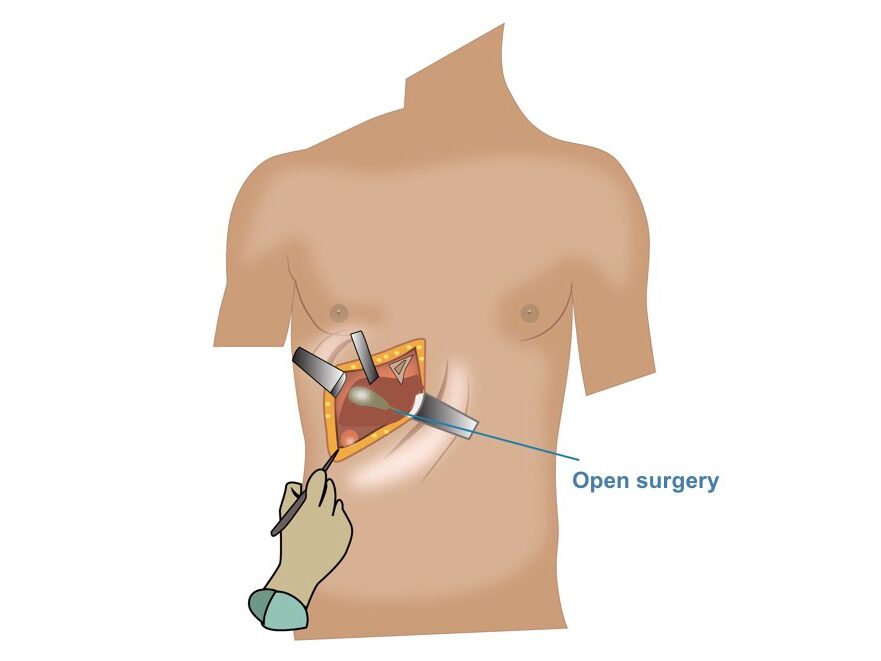
Open surgery is the traditional surgical approach.
In this method, the surgeon makes a larger incision to directly view and access the organ or area being treated.
For decades, open surgery was the standard approach for most abdominal operations and is still necessary in certain complex situations.
Advantages of Open Surgery
- Direct access to the surgical area
- Useful in some complicated or emergency cases
- Can be necessary when extensive disease is present
Limitations of Open Surgery
- Larger incision
- More tissue disruption
- Greater post-operative pain
- Longer recovery period
- More noticeable scar
- Higher risk of wound-related complications
What Is Laparoscopic Surgery?
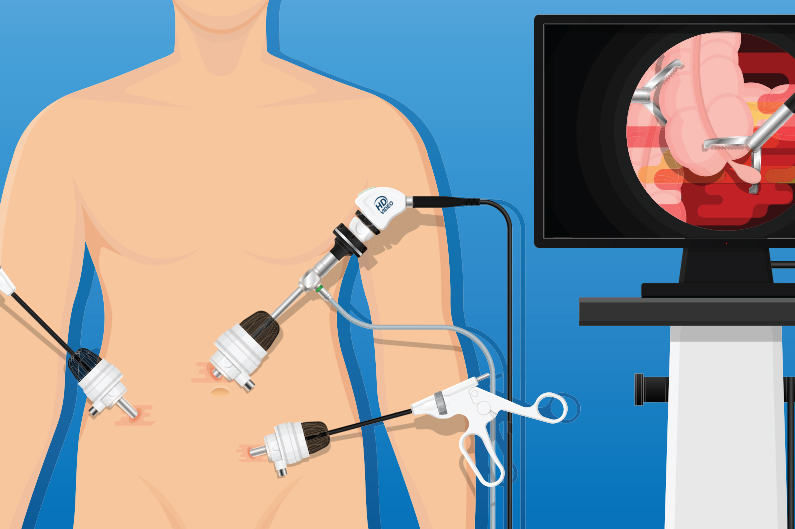
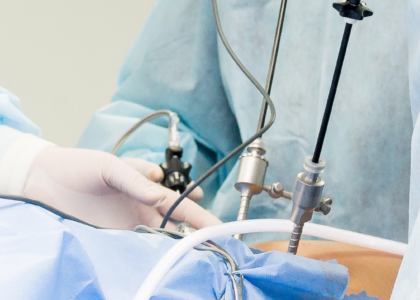
Laparoscopic surgery, often called keyhole surgery, is a modern minimally invasive technique.
Instead of making one large incision, the surgeon creates a few small openings through which a camera and specialized instruments are inserted.
The camera provides a magnified view of the surgical area on a screen, allowing the surgeon to perform the operation with precision.
Open Surgery vs Laparoscopic Surgery
| Factor | Open Surgery | Laparoscopic Surgery |
|---|---|---|
| Incision Size | Larger | Small incisions |
| Pain After Surgery | Usually more | Usually less |
| Recovery Time | Longer | Faster |
| Hospital Stay | Longer | Often shorter |
| Return to Work | Delayed | Earlier |
| Scarring | More visible | Minimal |
| Infection Risk | Higher | Lower |
| Blood Loss | Usually more | Usually less |
Why Are More Patients Choosing Laparoscopic Surgery?
One of the biggest reasons is recovery.
Many patients today cannot afford weeks away from work, family responsibilities, or daily activities.
Because laparoscopic surgery causes less trauma to the body, patients often experience:
- Less pain after surgery
- Faster mobilization
- Earlier discharge from hospital
- Quicker return to normal life
For conditions such as hernia, gallbladder stones, appendicitis, and GERD, these benefits can make a significant difference in the overall experience.
Does Smaller Incision Really Matter?
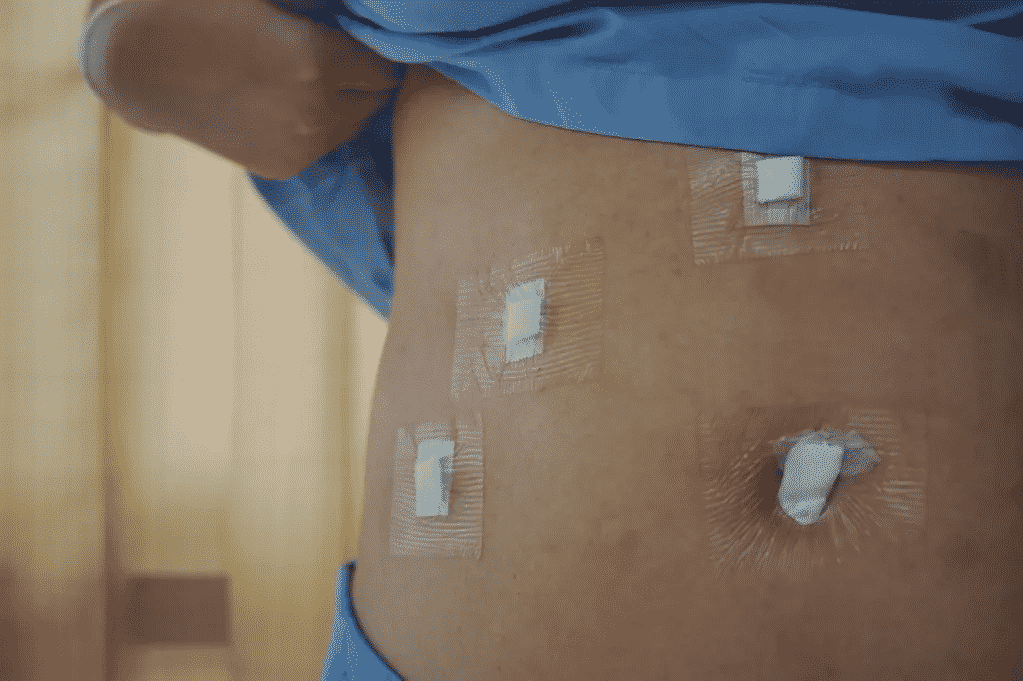
Absolutely.
The incision is not just about appearance.
A smaller incision often means:
- Less tissue damage
- Less post-operative discomfort
- Reduced wound complications
- Lower chance of infection
- Better cosmetic outcome
This is one of the major reasons why laparoscopic surgery has transformed modern abdominal surgery.
Is Laparoscopic Surgery Safe?
Yes.
When performed by a trained and experienced laparoscopic surgeon, laparoscopic surgery is considered a safe and effective option for many abdominal conditions.
In fact, for several common procedures, it has become the preferred approach worldwide because of its proven benefits.
However, not every patient is identical. The final decision depends on:
- The disease being treated
- Previous surgeries
- Overall health condition
- Surgical findings
When Might Open Surgery Still Be Needed?
Although laparoscopic surgery offers many advantages, there are situations where open surgery may still be recommended.
Examples include:
- Certain complex abdominal conditions
- Extensive scar tissue from previous surgeries
- Some advanced diseases
- Specific emergency situations
The goal is always to choose the safest and most effective approach for the patient.
Why Surgeon Experience Matters More Than Technology
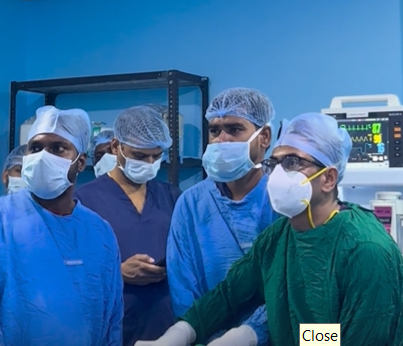
A laparoscopic procedure is only as effective as the surgeon performing it.
Advanced minimally invasive surgery requires specialized training, experience, and judgment.
Choosing an experienced surgeon can significantly impact:
- Surgical precision
- Safety
- Recovery
- Long-term outcomes
Laparoscopic Surgery in Jabalpur
For patients considering minimally invasive surgery, consulting an experienced laparoscopic surgeon is important.
Dr. Digant Pathak is an Advanced Hernia and Gallbladder Surgeon with:
- 20+ years of surgical experience
- 16,000+ successful surgeries
- Extensive expertise in laparoscopic surgery
- Special interest in hernia, gallbladder stones, appendicitis, GERD, and colorectal conditions
He consults and performs surgeries at:
Care Multi Speciality Hospital
Ukhari Chowk, MR-4 Rd, Jabalpur
His focus is on providing safe, evidence-based treatment while helping patients benefit from modern minimally invasive surgical techniques whenever appropriate.
Frequently Asked Questions
Is laparoscopic surgery always better than open surgery?
For many common conditions such as hernia, gallbladder stones, appendicitis, and GERD, laparoscopic surgery often offers important advantages. However, the best option depends on the individual patient and condition.
Is laparoscopic surgery more expensive?
The procedure cost may sometimes be higher initially, but faster recovery, shorter hospital stay, and earlier return to work can make it cost-effective overall.
Is laparoscopic surgery less painful?
Most patients experience less pain compared to traditional open surgery.
How long does recovery take?
Recovery varies depending on the procedure, but many patients return to normal activities significantly sooner than with open surgery.
Can laparoscopic surgery become open surgery during the operation?
In rare situations, a surgeon may decide to convert to open surgery if it is necessary for patient safety. This decision is made in the patient’s best interest.