
If you have been dealing with GERD, frequent acidity, heartburn or food coming back into your throat, you may eventually hear about a surgery called fundoplication.
But what exactly is fundoplication? Is it really necessary for GERD? And if surgery is required, can it be done laparoscopically?
The answer depends on why you have reflux, how severe your symptoms are, how well medicines are controlling them, and what your investigations show.
First, What Actually Happens in GERD?
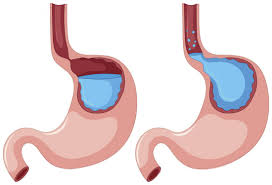
Normally, a muscular valve at the lower end of the food pipe, called the lower esophageal sphincter (LES), helps prevent stomach contents from flowing backward.
When this anti-reflux barrier does not work properly, stomach acid and other contents can move back into the esophagus.
This can cause symptoms such as heartburn, sour or bitter fluid coming back into the mouth, chest discomfort, throat irritation and night-time reflux.
In some patients, a hiatal hernia can also contribute to the problem.
So What Does Fundoplication Surgery Do?
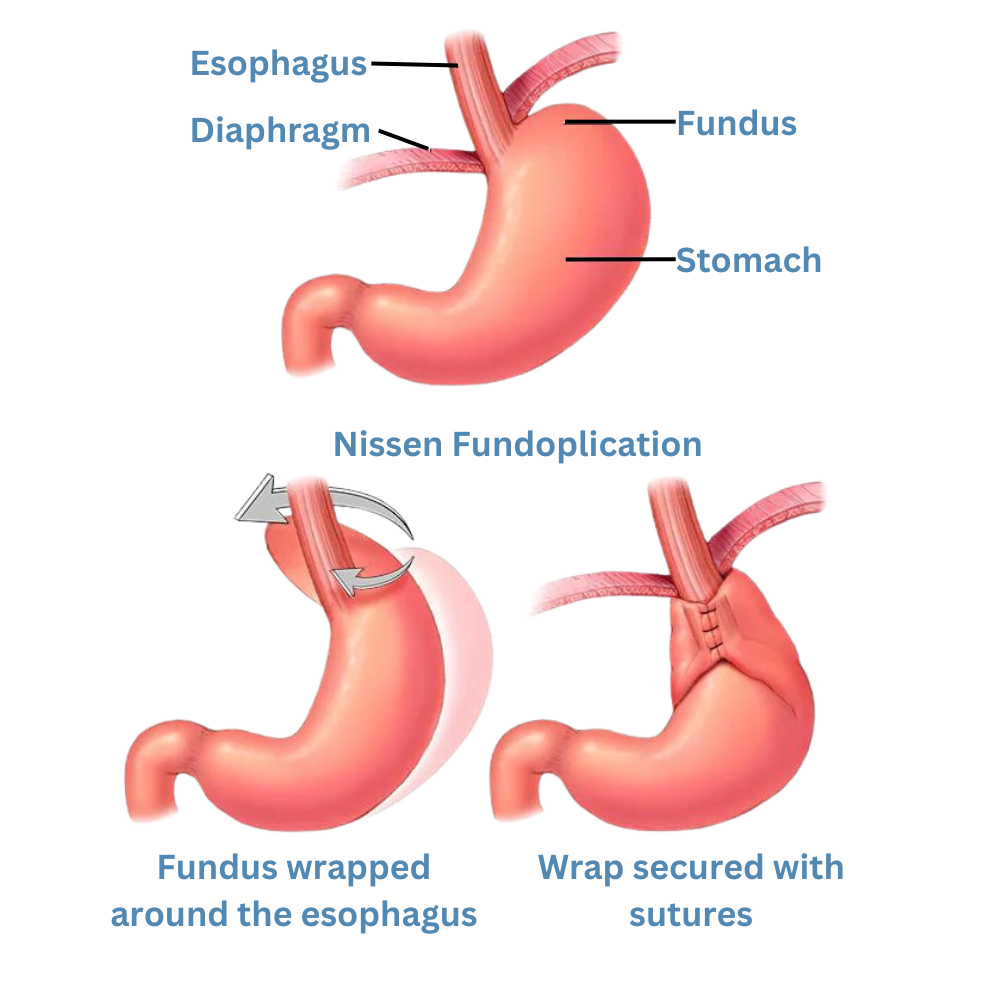
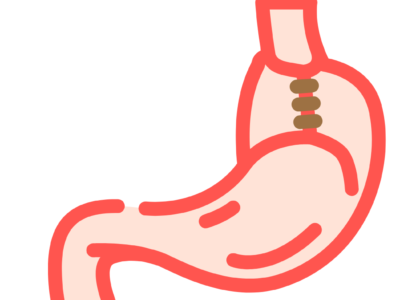
In fundoplication, the upper part of the stomach, called the fundus, is wrapped around the lower part of the esophagus.
This strengthens the anti-reflux barrier and helps prevent stomach contents from flowing back into the food pipe.
Think of it simply as repairing and strengthening the mechanism that is supposed to stop reflux from coming upward.
When Is Fundoplication Actually Needed?
This is where many patients get confused.
Having GERD does not automatically mean you need surgery.
Many people can control their GERD with appropriate medicines, dietary changes and lifestyle modifications.
Fundoplication may be considered when:
- GERD symptoms remain troublesome despite appropriate medical treatment.
- There is significant or persistent acid regurgitation.
- GERD is causing complications.
- A hiatal hernia is contributing to the reflux.
- Investigations confirm reflux and show that the patient is likely to benefit from anti-reflux surgery.
- A patient is looking for a surgical treatment after discussing the benefits, risks and alternatives with a specialist.
The decision should be based on proper evaluation and investigations, not simply on how often you experience acidity.
Can Fundoplication Be Done Laparoscopically?
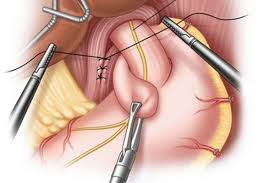
Yes. In suitable patients, fundoplication can be performed laparoscopically.
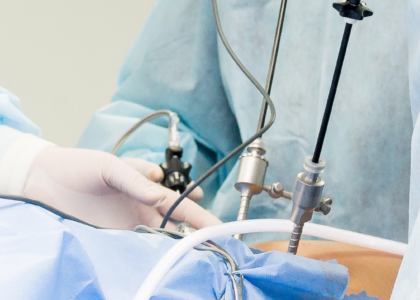
Instead of making one large incision, the surgeon operates through a few small openings using a camera and specialized instruments.
This minimally invasive approach can offer advantages such as smaller incisions, less surgical trauma, smaller scars and generally faster recovery compared with traditional open surgery.
For patients who are suitable candidates, this is one of the important advantages of modern laparoscopic treatment for GERD.
Is Laparoscopic Fundoplication Better Than Open Surgery?
For appropriately selected patients, the laparoscopic approach is generally preferred over traditional open surgery because it is minimally invasive.
However, the choice of surgical approach depends on the patient’s condition, anatomy, previous surgeries, associated hiatal hernia and other medical factors.
The goal is not simply to choose “laparoscopic” because it sounds better.
The goal is to choose the safest and most appropriate procedure for the individual patient.
What If I Also Have a Hiatal Hernia?
GERD and hiatal hernia can often occur together.
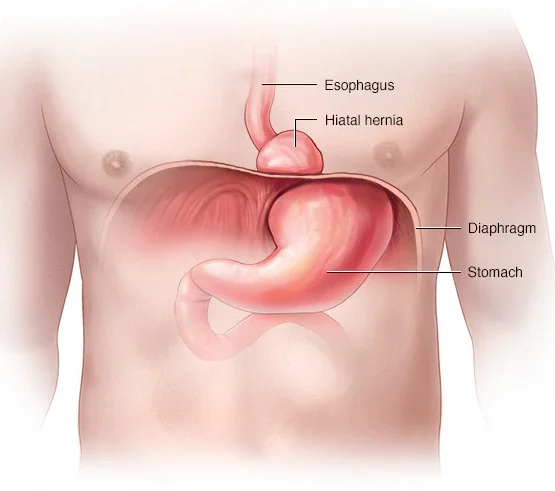
A hiatal hernia happens when part of the stomach moves upward through the opening in the diaphragm through which the esophagus passes. This can affect the normal anti-reflux mechanism and contribute to reflux symptoms.
When a significant hiatal hernia is contributing to GERD, surgery may involve repairing the hiatal hernia along with fundoplication.
That is why proper evaluation is important before deciding on treatment.
What Tests Are Done Before Fundoplication?
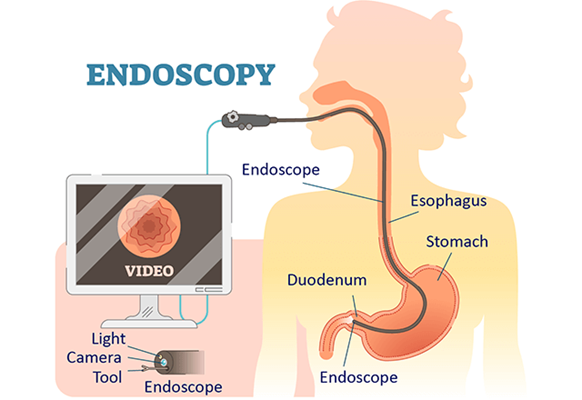
Before recommending anti-reflux surgery, your doctor may need to confirm that GERD is actually responsible for your symptoms.
Depending on your situation, investigations may include upper GI endoscopy, pH monitoring, esophageal manometry and evaluation for hiatal hernia.
These tests help determine whether surgery is appropriate and which surgical approach is likely to benefit you.
Does Everyone With Acidity Need Surgery?
No.
This is probably the most important thing to understand.
If you occasionally experience acidity after a heavy or spicy meal, that does not automatically mean you need fundoplication.
Even patients with GERD may be successfully managed with medicines and lifestyle changes.
Surgery is considered when there is a clear reason to believe that correcting the reflux mechanism will provide meaningful benefit.
So instead of asking only, “Should I get fundoplication?”, the better question is:
“Why am I having reflux, and am I actually a suitable candidate for anti-reflux surgery?”
When Should You See a Doctor for GERD?
Don’t keep treating frequent reflux as “just acidity” if it is repeatedly affecting your daily life.
You should consider getting evaluated if you have frequent heartburn, persistent regurgitation, night-time reflux, difficulty swallowing or symptoms that continue despite appropriate treatment.
Symptoms such as unexplained weight loss, persistent vomiting, bleeding, black stools or significant chest pain also require medical evaluation rather than being assumed to be simple acidity.
Laparoscopic GERD Surgery in Jabalpur
If your GERD symptoms are persistent and medicines are not providing adequate relief, an experienced laparoscopic surgeon can help determine whether surgery is actually appropriate for you.
Dr. Digant Pathak has 20+ years of surgical experience and 16,000+ surgeries. He is an Advanced Hernia & Gall Bladder Surgeon and is proficient in laparoscopic surgery as well as conditions including GERD, colorectal diseases and appendicitis.
Patients in Jabalpur can consult him at:
Care Multi Speciality Hospital
Ukhari Chowk, MR-4 Rd, Jabalpur
If fundoplication is appropriate after evaluation, the possibility of laparoscopic anti-reflux surgery can be discussed based on your condition and investigations.
Frequently Asked Questions
What is fundoplication surgery?
Fundoplication is an anti-reflux surgery in which the upper part of the stomach is wrapped around the lower esophagus to strengthen the barrier that prevents stomach contents from flowing backward.
Is fundoplication surgery done laparoscopically?
Yes. Fundoplication can commonly be performed laparoscopically in suitable patients, using small incisions and specialized instruments.
Is fundoplication a permanent cure for GERD?
Fundoplication is intended to provide long-term control of reflux, but results vary between patients. Proper patient selection and evaluation are important before surgery.
Can fundoplication and hiatal hernia repair be done together?
Yes. When a hiatal hernia contributes to GERD, hiatal hernia repair may be performed along with fundoplication, depending on the patient’s condition.
Do I need fundoplication if I have GERD?
Not necessarily. Many people with GERD do not need surgery. Fundoplication is considered for selected patients after proper evaluation.
Is laparoscopic fundoplication safe?
Laparoscopic fundoplication is an established minimally invasive surgical approach, but like any surgery, it has potential risks. Your suitability should be assessed by an experienced surgeon.