
If you have been advised to undergo appendix surgery, one of the first questions that probably comes to mind is: “How quickly will I recover after laparoscopic appendix surgery?”
The good news is that laparoscopic appendectomy generally allows patients to recover faster and return to normal activities sooner than traditional open appendix surgery. Because the procedure is performed through small incisions rather than one larger abdominal incision, there is usually less wound-related discomfort and a quicker recovery.
However, the exact recovery time depends on factors such as whether the appendix was uncomplicated or had already ruptured, the patient’s overall health, and how the body responds after surgery.
Why Is Recovery Faster With Laparoscopic Appendix Surgery?
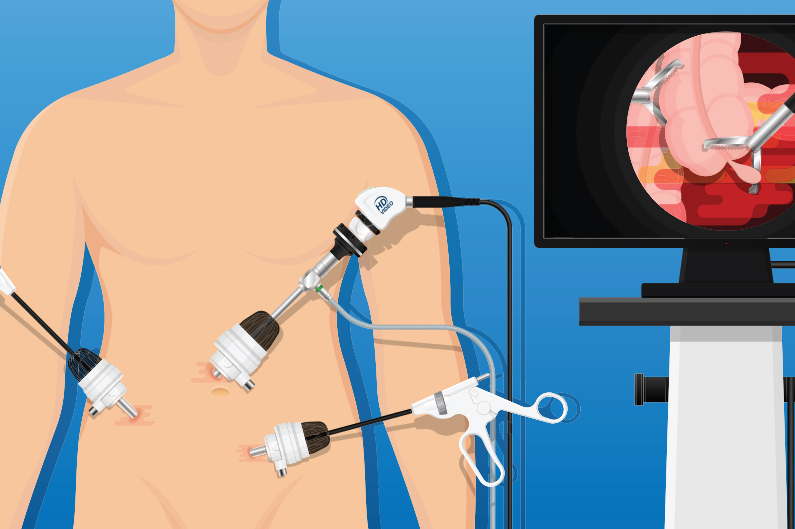
The biggest advantage of laparoscopic surgery is that the surgeon does not need to make a large abdominal incision.
Instead, the operation is performed through small incisions using a camera and specialized surgical instruments. This allows the surgeon to remove the appendix while causing less disruption to the abdominal wall.
As a result, patients may experience:
- Smaller surgical wounds
- Less postoperative discomfort
- Earlier mobility
- Lower wound-related complications in many cases
- Faster return to normal daily activities
- Smaller scars compared with traditional open surgery
This is one of the reasons laparoscopic appendectomy has become a preferred approach for many patients when it is clinically appropriate.
What Does Recovery Look Like After Laparoscopic Appendix Surgery?
The First Few Hours
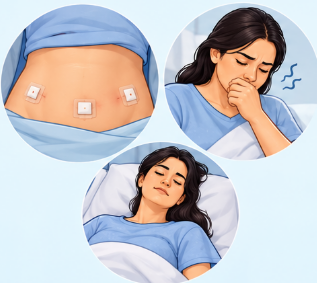
Once the effects of anesthesia begin to wear off, the medical team monitors the patient and gradually encourages movement.
Walking early after surgery is an important part of recovery. Depending on the patient’s condition, they may be able to get out of bed and walk within a few hours.
Some abdominal discomfort, tiredness, or mild nausea can occur initially. These symptoms are generally monitored and treated appropriately.
The First Few Days

During the first few days, patients may still experience some soreness around the small incision sites. However, because laparoscopic surgery uses smaller incisions, the discomfort is often manageable.
Patients are usually encouraged to walk, eat as tolerated, stay hydrated, and gradually return to normal activities rather than remaining in bed for prolonged periods.
The First Few Weeks

As healing progresses, most patients can gradually return to their usual routine.
The exact timeline depends on the individual’s condition and the nature of the surgery. Your surgeon’s advice should take priority, particularly regarding exercise, lifting weights, driving, and returning to work.
When Can I Return to Work After Laparoscopic Appendix Surgery?

This depends largely on the type of work you do.
Someone with a desk-based job may be able to return relatively quickly once they are comfortable and medically fit. Someone whose work involves heavy lifting, strenuous physical activity, or prolonged standing may need additional recovery time.
The important point is that recovery should be based on how your body is healing, not simply on a fixed number of days.
When Can I Start Walking After Surgery?

One of the advantages of laparoscopic surgery is that early movement is usually encouraged.
Walking helps patients gradually regain strength and reduces the problems associated with prolonged bed rest. You should begin with short, comfortable walks and increase activity gradually according to your doctor’s advice.
You do not need to wait until you feel completely pain-free before beginning gentle movement.
What About Pain After Laparoscopic Appendix Surgery?
Some pain or soreness after surgery is normal. However, laparoscopic surgery generally involves smaller incisions and less disruption to the abdominal wall than conventional open surgery.
Some patients may also experience temporary shoulder-tip discomfort after laparoscopy because carbon dioxide gas is used to create working space inside the abdomen. This usually settles as the gas is absorbed.
Pain that is severe, worsening, or associated with fever, persistent vomiting, increasing abdominal swelling, or problems around the surgical wounds should be reported to the medical team.
Can I Eat Normally After Laparoscopic Appendix Surgery?
Your diet is usually advanced gradually after surgery depending on your recovery and your doctor’s advice.
Once you are able to tolerate food without significant nausea or vomiting, you can generally progress toward your normal diet.
There is no single diet that is appropriate for every patient, particularly when appendicitis has been complicated by rupture or infection.
Does a Ruptured Appendix Take Longer to Recover?
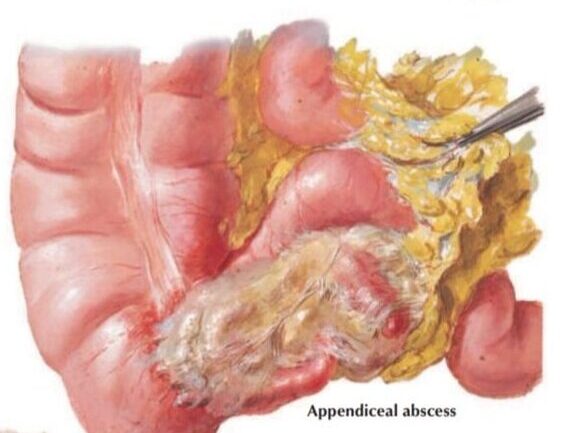
Yes. This is an important distinction.
If the appendix has ruptured or perforated, infection can spread inside the abdomen and may result in an abscess or peritonitis. Such cases can require a longer hospital stay, antibiotics, drainage procedures, or additional treatment.
Therefore, someone who undergoes laparoscopic surgery for uncomplicated appendicitis may recover considerably faster than a patient who reaches the hospital after the appendix has already ruptured.
The sooner appendicitis is diagnosed and appropriately treated, the better the chances of avoiding complications.
Laparoscopic vs Open Appendix Surgery: Which Recovers Faster?
For many patients, laparoscopic appendectomy offers important recovery advantages over open surgery.
| Laparoscopic Appendix Surgery | Open Appendix Surgery |
|---|---|
| Small incisions | Larger abdominal incision |
| Generally less wound discomfort | Greater wound-related discomfort |
| Earlier mobility | Mobility may take longer |
| Smaller scars | Larger scar |
| Faster return to routine in many uncomplicated cases | Recovery may take longer |
The appropriate surgical approach still depends on the patient’s condition, the severity of appendicitis, previous surgeries, and the surgeon’s clinical judgment.
When Should You Contact Your Doctor After Surgery?
Recovery should generally improve progressively. Contact your doctor if you develop high or persistent fever, worsening abdominal pain, repeated vomiting, increasing abdominal swelling, redness or discharge from the wound, or significant deterioration after initially improving.
These symptoms should not simply be assumed to be a normal part of recovery.
Laparoscopic Appendix Surgery in Jabalpur
If you have symptoms of appendicitis or have been advised to undergo appendix surgery, it is important to consult a surgeon who has specific experience in laparoscopic procedures.
Dr. Digant Pathak is a laparoscopic surgeon in Jabalpur with extensive experience in minimally invasive surgical procedures. His approach focuses on appropriate diagnosis, selecting the right surgical technique, and helping patients understand what to expect before and after surgery.
Consultation is available at Care Multi Speciality Hospital, Ukhari Chowk, MR-4 Road, Jabalpur.
Frequently Asked Questions
How long does it take to recover from laparoscopic appendix surgery?
Recovery varies, but uncomplicated cases generally allow patients to return to normal activities sooner than after open surgery. The exact timeline depends on the patient’s health and the severity of appendicitis.
Can I walk after laparoscopic appendix surgery?
Yes. Early walking is generally encouraged once the effects of anesthesia have worn off and the medical team considers it safe.
Is laparoscopic appendix surgery better than open surgery?
For many patients, laparoscopic surgery offers advantages such as smaller incisions, less wound discomfort, smaller scars, and faster recovery. The final choice depends on the patient’s individual condition.
How long after laparoscopic appendix surgery can I exercise?
Light activity can usually be introduced gradually, but strenuous exercise and heavy lifting should wait until your surgeon confirms that it is safe.
Does laparoscopic surgery leave scars?
Yes, but the incisions are typically small, so the resulting scars are generally much smaller than those from traditional open surgery.
Is laparoscopic appendix surgery safe?
Laparoscopic appendectomy is a widely used surgical approach for appendicitis. As with any operation, it has potential risks, and the appropriate technique depends on the individual patient and severity of disease.