
Gallstones are one of the most common digestive problems, yet one of the biggest misconceptions about them is that they can be “dissolved” with medicines.
Many patients ask, “Can’t I just take tablets instead of undergoing surgery?” It’s a valid question, but the answer depends on whether the gallstones are causing symptoms and how advanced the condition is.
Understanding when medicines can help—and when surgery is the better option—can prevent unnecessary pain and serious complications.
What Are Gallstones?
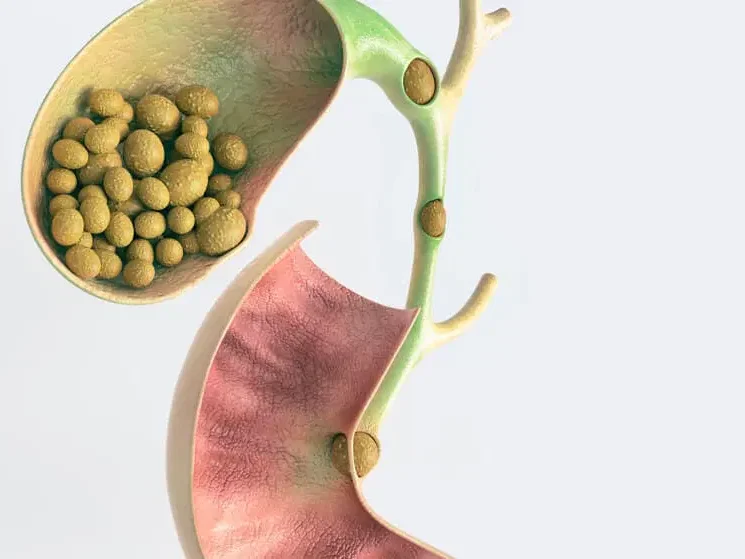
Gallstones are hard deposits that form inside the gallbladder, a small organ located beneath the liver. The gallbladder stores bile, a digestive fluid that helps break down fats.
When the components of bile become imbalanced, they can crystallize over time, forming stones that vary in size from tiny grains to large stones.
Some people have gallstones without any symptoms, while others experience repeated attacks of pain and digestive discomfort.
Can Medicines Dissolve Gallstones?
In most cases, the answer is no.
Medicines prescribed for gallstones are suitable only in very specific situations. Even then, they have several limitations.
Medicines:
- Are effective only for certain cholesterol stones
- Usually do not work for pigment stones, which are also common
- Require long-term treatment, often for months or years
- May not completely dissolve the stones
- Do not stop new stones from forming
Most importantly, medicines do not provide a permanent solution. Even if the stones disappear temporarily, they frequently return after treatment is stopped.
When Is Surgery Necessary?
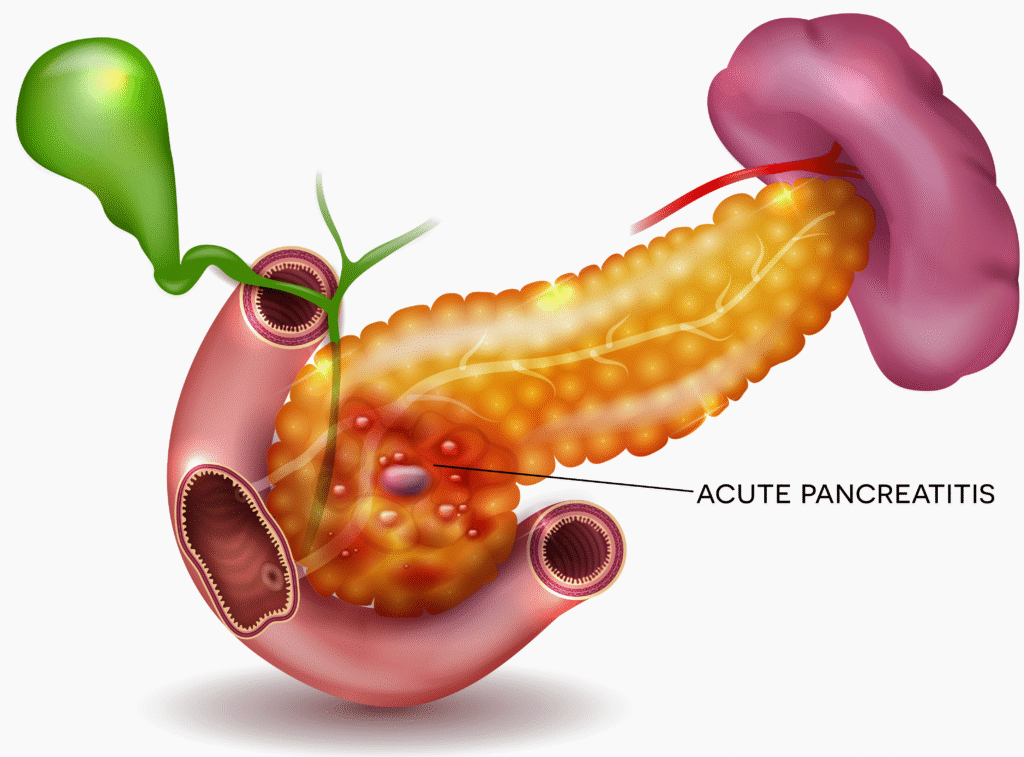
Surgery is generally recommended if gallstones are causing symptoms or complications.
Your doctor may advise surgery if you experience:
- Repeated pain in the upper right abdomen
- Pain after eating oily or fatty meals
- Nausea or vomiting during pain episodes
- Fever along with abdominal pain
- Infection of the gallbladder
- Stones blocking the bile duct
- Gallstone-related pancreatitis
Ignoring symptomatic gallstones can increase the risk of serious complications that may require emergency surgery.
Why Removing the Gallbladder Solves the Problem
Many patients wonder why doctors remove the entire gallbladder instead of just removing the stones.
The reason is simple.
Gallstones form because the gallbladder itself has become prone to making stones. Even if only the stones are removed, new ones often develop over time.
Removing the gallbladder eliminates the source of stone formation, making it the most reliable long-term solution.
Fortunately, you can live a normal, healthy life without a gallbladder. Your liver continues to produce bile, and your digestive system adapts naturally.
Why Laparoscopic Surgery Is the Preferred Treatment
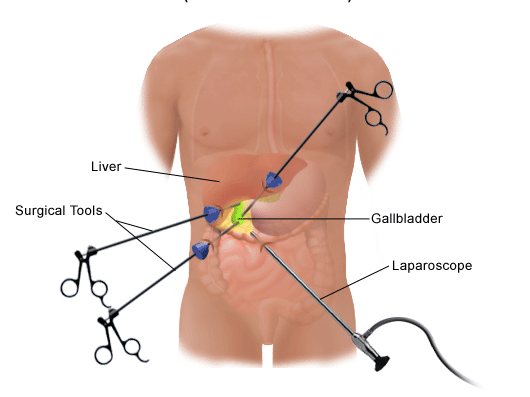
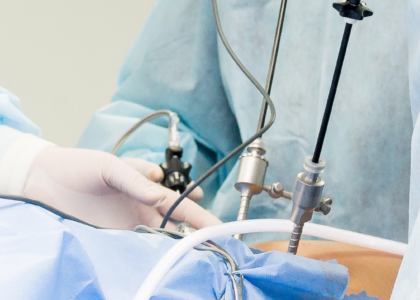
Today, laparoscopic gallbladder surgery is considered the gold standard for treating symptomatic gallstones.
Compared to traditional open surgery, laparoscopic surgery offers several advantages:
- Smaller incisions
- Less postoperative pain
- Faster recovery
- Lower risk of wound-related complications
- Shorter hospital stay
- Earlier return to normal daily activities
For most patients, it is a safe, effective, and permanent solution.
Should You Wait If the Pain Is Occasional?
Many patients postpone treatment because the pain comes and goes.
This can be risky.
A silent period does not mean the stones have disappeared. Gallstones can suddenly block the bile duct or trigger an infection without warning.
Delaying treatment may increase the chances of:
- Acute gallbladder infection
- Jaundice
- Pancreatitis
- Emergency surgery
Planning surgery before complications develop is generally safer than waiting for an emergency.
When Should You Consult a Surgeon?

You should seek medical advice if you experience:
- Recurrent pain in the upper abdomen
- Pain after fatty meals
- Nausea or vomiting along with pain
- Fever or chills
- Yellowing of the eyes or skin
- Severe abdominal pain lasting several hours
Early evaluation can help determine whether surgery is needed before complications arise.
Gallbladder Stone Treatment in Jabalpur
If you have been diagnosed with gallstones or are experiencing repeated abdominal pain, consult an experienced laparoscopic surgeon for proper evaluation.
Dr. Digant Pathak is an Advanced Laparoscopic and General Surgeon with over 20 years of experience and 16,000+ successful surgeries. He specializes in minimally invasive gallbladder surgery, hernia surgery, appendicitis, GERD, and colorectal procedures.
He consults at Care Multi Speciality Hospital, Ukhari Chowk, MR-4 Road, Jabalpur, where patients receive comprehensive evaluation and advanced laparoscopic treatment.
Frequently Asked Questions
Can gallstones disappear with medicines?
In most cases, no. Medicines work only for selected cholesterol stones and are not considered a permanent treatment.
Is gallbladder surgery always necessary?
If gallstones are causing symptoms or complications, surgery is usually the most effective and permanent treatment.
Can gallstones come back after medicines?
Yes. Even if medicines dissolve some stones, new stones often form again after treatment is stopped.
Can I live normally without a gallbladder?
Yes. Most people live completely normal lives after gallbladder removal, and digestion usually adjusts over time.
Is laparoscopic gallbladder surgery safe?
Yes. When performed by an experienced laparoscopic surgeon, it is considered a safe procedure with faster recovery, less pain, and a quicker return to daily activities.