
One of the most common questions people ask after being diagnosed with a hernia is, “Can it heal on its own?” Many hope that medicines, exercise, home remedies, or simply waiting will make the bulge disappear.
The short answer is no. A hernia does not heal without surgery. While some methods may temporarily reduce discomfort or make the bulge less noticeable, they do not repair the weakness in the abdominal wall that caused the hernia in the first place.
Let’s understand why.
Why Doesn’t a Hernia Heal on Its Own?
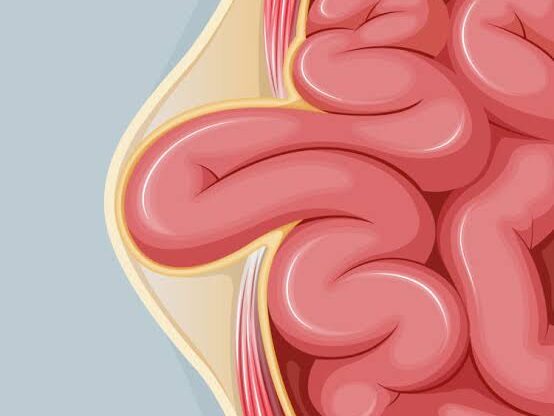
Think of your abdominal wall like the wall of a house. If a hole develops in the wall, painting over it or covering it with a cloth won’t repair the damage.
Similarly, in a hernia, the muscle has already become weak or developed an opening. Since muscles cannot naturally seal this defect once it forms, the opening usually remains and may gradually become larger.
This is why hernias tend to progress over time rather than disappear.
Can Medicines Cure a Hernia?
This is another common misconception.
Medicines cannot repair a hernia.
Painkillers may reduce discomfort, and medications for acidity or bloating may relieve associated symptoms, but none of these treatments close the defect in the muscle wall.
If someone claims that a tablet, cream, belt, or herbal remedy can permanently cure a hernia, there is no scientific evidence to support that claim.
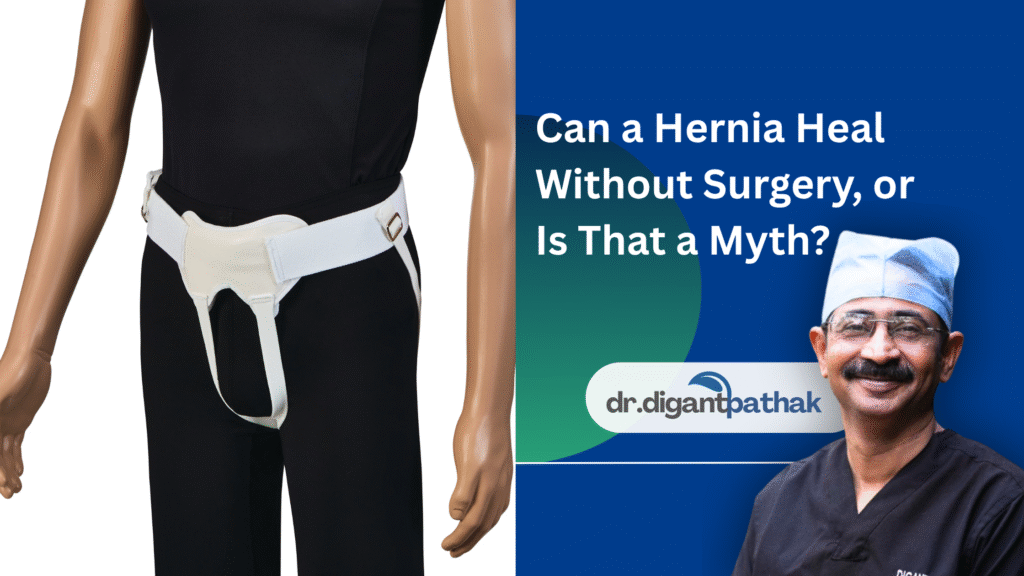
What About Hernia Belts or Support Belts?
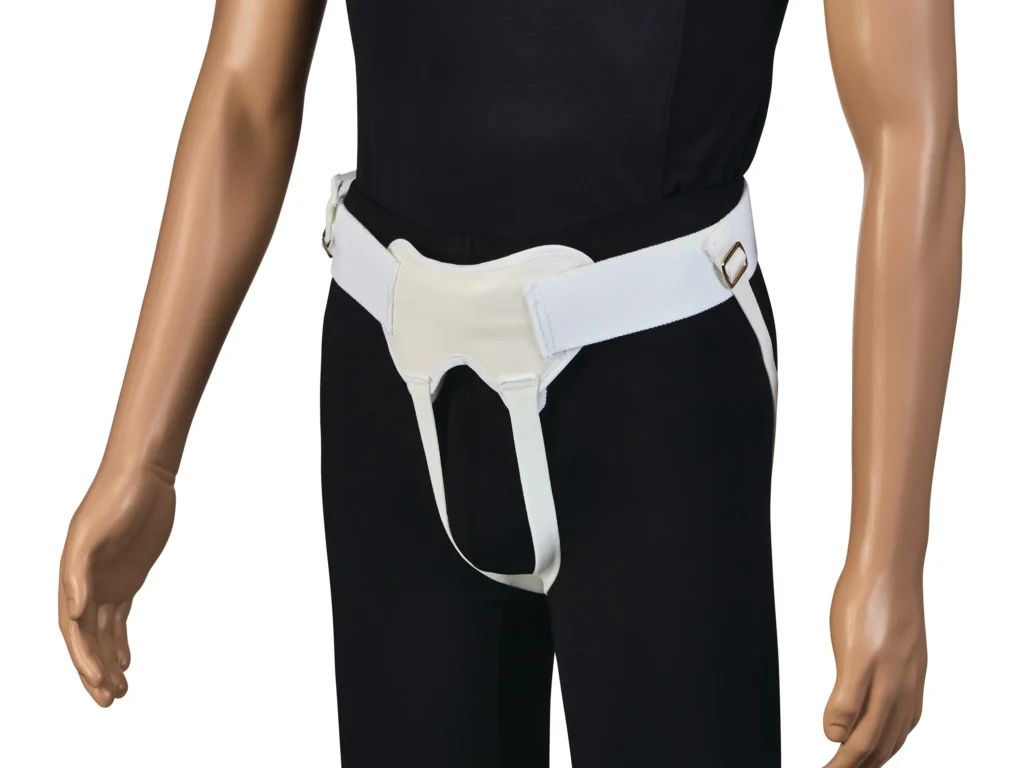
Some patients use a hernia belt or abdominal binder to reduce discomfort during daily activities.
These belts may:
- Provide temporary support
- Reduce discomfort while walking or working
- Help in selected patients who are waiting for surgery
However, they do not treat the hernia.
The hernia is still present beneath the belt, and the muscle weakness remains unchanged.
A support belt should never be considered a permanent solution.
What Happens If You Delay Surgery?
Many people postpone surgery because the hernia is small or painless.
Unfortunately, hernias usually become larger with time. As the opening widens, more tissue can protrude through it, making surgery more difficult.
Delaying treatment also increases the risk of complications such as:
- Increasing size of the bulge
- Persistent pain or discomfort
- Difficulty in pushing the hernia back inside
- Intestinal obstruction
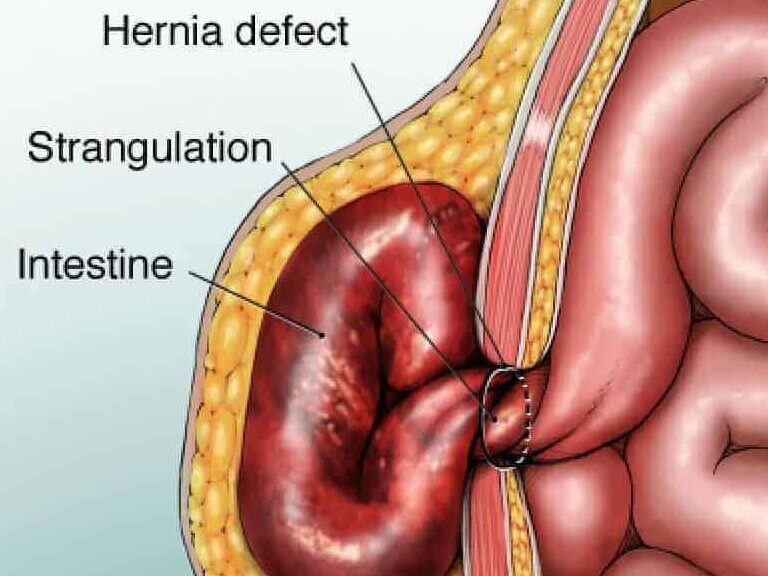
- Strangulated hernia, where the blood supply to the trapped intestine is cut off
A strangulated hernia is a medical emergency and requires immediate surgery.
Why Laparoscopic Hernia Surgery Is Often the Preferred Option
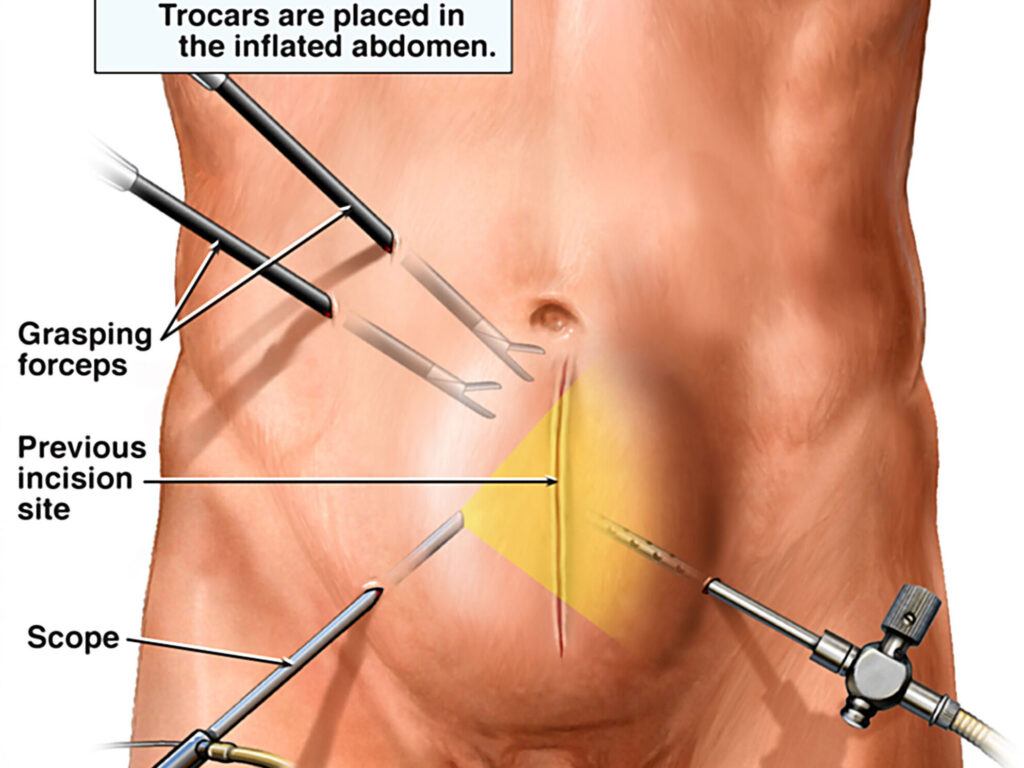
Modern hernia treatment has advanced significantly over the years.
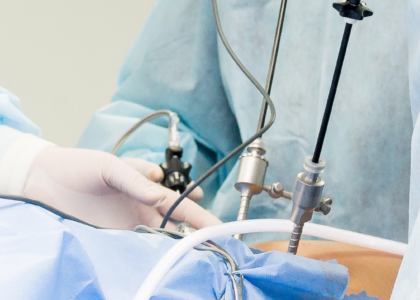
For many patients, laparoscopic hernia surgery offers several advantages over traditional open surgery.
These include:
- Smaller incisions
- Less post-operative pain
- Faster recovery
- Earlier return to work
- Lower risk of wound-related complications
- Better cosmetic results
Not every patient is a candidate for laparoscopic surgery, but for suitable cases, it has become one of the preferred treatment options worldwide.
An experienced laparoscopic surgeon can evaluate which approach is most appropriate based on the type and size of the hernia and the patient’s overall health.
When Should You Consult a Surgeon?
You should seek medical advice if you notice:
- A bulge in the abdomen or groin
- Swelling that appears while coughing or standing
- Pain or heaviness during physical activity
- A bulge that is gradually increasing in size
- Difficulty pushing the bulge back inside
Even if the hernia is not painful, an early evaluation helps you understand the best treatment plan before complications develop.
Hernia Treatment in Jabalpur
If you have been diagnosed with a hernia or suspect you may have one, consulting an experienced surgeon can help you make an informed decision.
Dr. Digant Pathak is an Advanced Laparoscopic and General Surgeon with over 20 years of experience and 16,000+ successful surgeries. He specializes in laparoscopic hernia repair, helping patients benefit from minimally invasive treatment whenever appropriate.
He also has expertise in gallbladder surgery, GERD, colorectal conditions, and appendicitis.
Consultation available at:
Care Multi Speciality Hospital
Ukhari Chowk, MR-4 Road, Jabalpur
Frequently Asked Questions
Can exercise cure a hernia?
No. Exercise cannot close the muscle defect that causes a hernia. In some cases, heavy exercise may even make the hernia worse.
Can yoga or physiotherapy cure a hernia?
No. While these may improve general fitness or core strength, they cannot repair an existing hernia.
Can I live with a hernia without surgery?
Some small hernias may remain stable for a period, but they do not heal. Because the risk of enlargement and complications remains, surgical evaluation is recommended.
Is laparoscopic hernia surgery painful?
Laparoscopic surgery is generally associated with less post-operative pain and a faster recovery compared with open surgery in appropriate patients.
Is every hernia suitable for laparoscopic surgery?
Not always. The best surgical approach depends on factors such as the type of hernia, previous surgeries, and your overall health. An experienced laparoscopic surgeon can recommend the most appropriate option.