
Many people think acidity is just a minor inconvenience. They take an antacid, feel better for a few hours, and move on with their day.
But what if the acidity keeps coming back for months or even years?
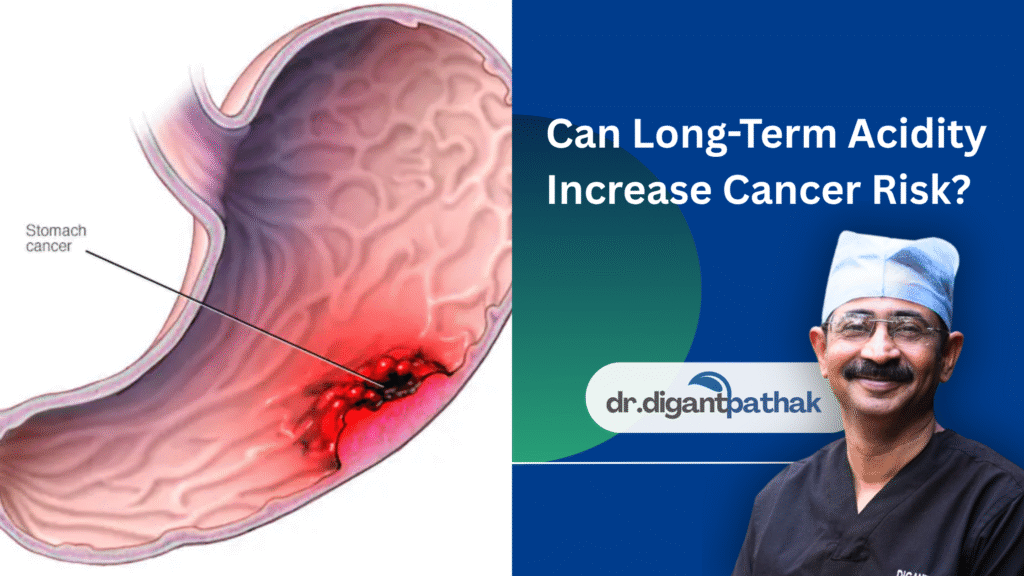
This is where the problem begins. While occasional acidity is common, persistent or long-term acid reflux should never be ignored. In some people, untreated chronic acid reflux can damage the food pipe (esophagus) over time and increase the risk of developing serious complications, including certain types of esophageal cancer.
The good news is that not everyone with acidity develops cancer, and with timely diagnosis and the right treatment, these complications can often be prevented.
Occasional Acidity vs Long-Term GERD
Many people use the words “acidity” and “GERD” interchangeably, but they are not the same.
Occasional acidity may happen after a heavy meal, spicy food, or overeating and usually settles with simple measures.
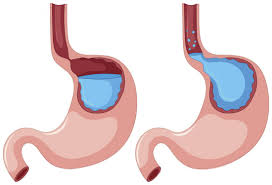
GERD (Gastroesophageal Reflux Disease), on the other hand, is a chronic condition where stomach acid repeatedly flows back into the food pipe. This repeated exposure can gradually damage the lining of the esophagus.
If you experience acidity more than twice a week, or if it keeps returning despite medicines, it is worth getting evaluated.
How Can Long-Term Acid Reflux Increase Cancer Risk?
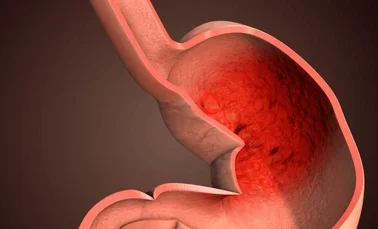
The inner lining of the food pipe is not designed to withstand stomach acid.
When acid repeatedly comes into contact with it, several changes can occur over time:
- Continuous irritation of the esophagus
- Inflammation of the lining (esophagitis)
- Development of ulcers in some cases
- Barrett’s Esophagus, where the lining changes to adapt to repeated acid exposure
- In a small percentage of patients, these abnormal cells may progress to esophageal cancer over many years
This process usually develops slowly over several years, which is why early treatment is so important.
Warning Signs You Should Never Ignore
Seek medical evaluation if you have:
- Acidity or heartburn for several months
- Symptoms more than twice a week
- Difficulty swallowing food
- Food getting stuck while swallowing
- Chest burning that keeps returning
- Frequent sour taste or acid coming into the mouth
- Unexplained weight loss
- Vomiting blood or passing black stools
These symptoms do not automatically mean cancer, but they should never be ignored.
Who Is More Likely to Be at Risk?
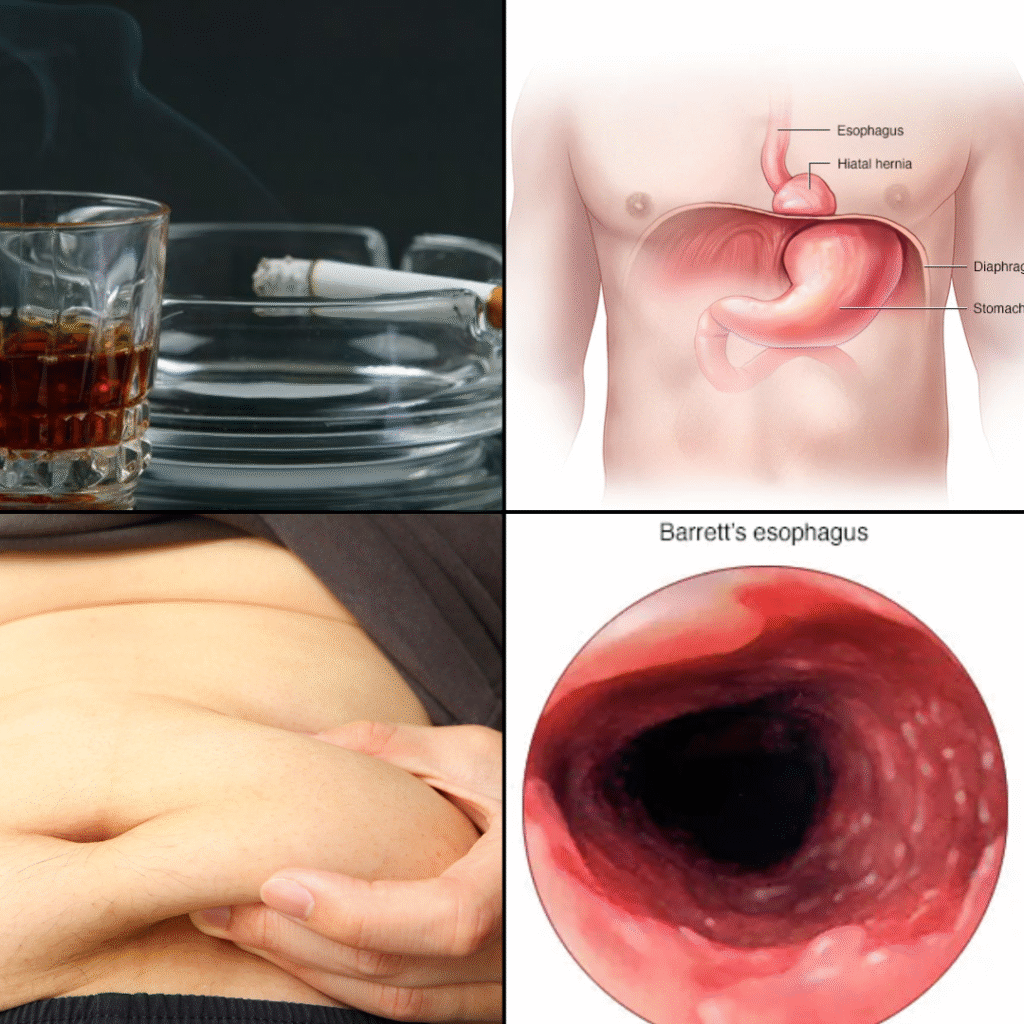
The risk of complications from GERD is generally higher in people who:
- Have had acid reflux for many years
- Are overweight or obese
- Smoke regularly
- Consume excessive alcohol
- Frequently eat large or late-night meals
- Have a hiatal hernia
- Have Barrett’s Esophagus
Managing these risk factors can significantly reduce long-term complications.
Can This Be Prevented?

In many cases, yes.
Early diagnosis and appropriate treatment can help prevent long-term damage to the esophagus.
Your doctor may recommend:
- Lifestyle modifications
- Weight management
- Dietary changes
- Medicines to reduce acid production
- Endoscopy when indicated
- Surgery in selected patients with persistent or severe GERD
The best treatment depends on the severity of your condition rather than following a one-size-fits-all approach.
When Is Surgery Considered?
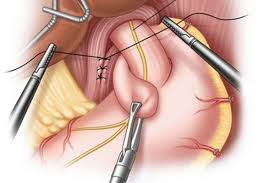
Many people believe GERD can only be managed with medicines for life. That is not always true.
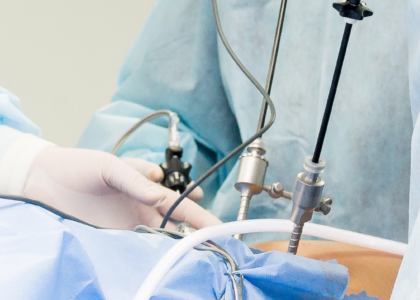
For patients with chronic GERD, frequent recurrence despite medication, dependence on long-term medicines, or complications such as a hiatal hernia, laparoscopic anti-reflux surgery may be an effective long-term solution.
Because laparoscopic surgery is performed through small incisions, patients generally experience:
- Smaller scars
- Less postoperative pain
- Faster recovery
- Earlier return to daily activities
- Shorter hospital stay in appropriate cases
Not every patient with GERD needs surgery, but for the right patient, it can provide long-lasting relief while addressing the underlying cause of reflux rather than only controlling symptoms.
When Should You Consult a Doctor?
Do not ignore persistent acidity if:
- Your symptoms occur regularly despite medication.
- You need antacids frequently.
- You have been experiencing acidity for months or years.
- You develop difficulty swallowing.
- Your symptoms disturb your sleep.
- Your quality of life is being affected.
Early evaluation allows your doctor to identify the cause and recommend the most appropriate treatment before complications develop.
GERD Treatment in Jabalpur
If you have frequent acidity, persistent heartburn, or symptoms of GERD, it is advisable to seek evaluation from an experienced gastrointestinal and laparoscopic surgeon.
Dr. Digant Pathak is an Advanced Hernia & Gall Bladder Surgeon with 20+ years of surgical experience and 16,000+ successful surgeries. He is also proficient in the management of GERD, appendicitis, colorectal conditions, and other gastrointestinal surgical disorders.
Patients can consult Dr. Digant Pathak at:
Care Multi Speciality Hospital
Ukhari Chowk, MR-4 Road, Jabalpur
Early diagnosis and timely treatment can help prevent complications and determine whether lifestyle changes, medication, or advanced laparoscopic surgery is the best option for your condition.
Frequently Asked Questions
Can acidity alone cause cancer?
No. Occasional acidity does not cause cancer. The concern is long-standing, untreated GERD that repeatedly damages the food pipe over many years.
Does everyone with GERD develop cancer?
No. Most people with GERD never develop cancer. However, persistent symptoms should still be evaluated to prevent complications.
When is an endoscopy recommended for acidity?
Your doctor may recommend an endoscopy if symptoms persist despite treatment, recur frequently, or if you have warning signs such as difficulty swallowing, bleeding, or unexplained weight loss.
Can GERD be permanently treated?
Many patients can control GERD with lifestyle changes and medication. For selected patients, laparoscopic anti-reflux surgery can provide a durable solution by treating the underlying cause of reflux.
Is laparoscopic surgery safe for GERD?
When performed by an experienced laparoscopic surgeon and in appropriately selected patients, laparoscopic anti-reflux surgery is considered a safe and effective treatment with faster recovery compared with traditional open surgery.