
Appendicitis often starts with what feels like a “normal stomach pain.” Because of this, many people ignore the symptoms in the beginning and wait for the pain to settle on its own.
The problem is that an inflamed appendix can sometimes burst or rupture, turning a manageable condition into a serious medical emergency.
Recognizing the warning signs early can help prevent complications and allow for faster, safer treatment.
What Happens Before the Appendix Ruptures?
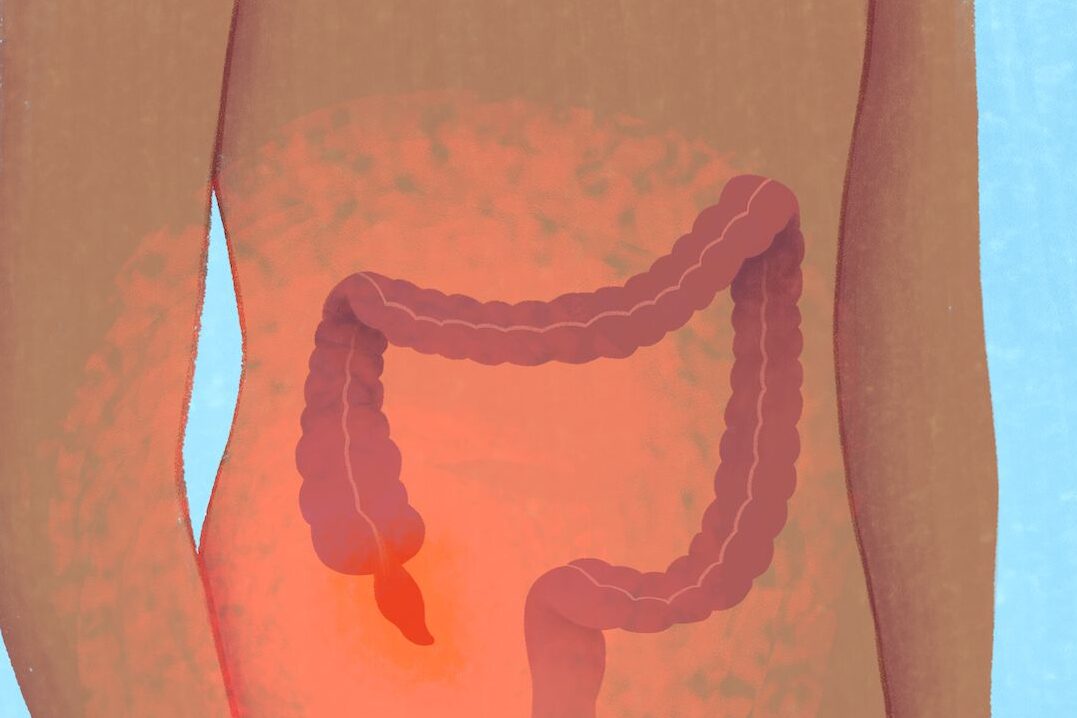
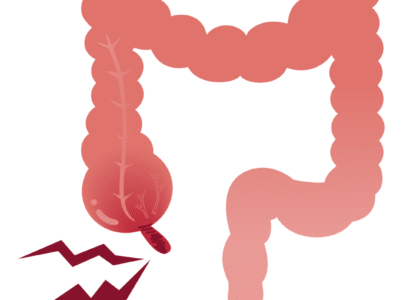
The appendix is a small pouch attached to the large intestine. When it becomes inflamed or infected, pressure starts building inside it.
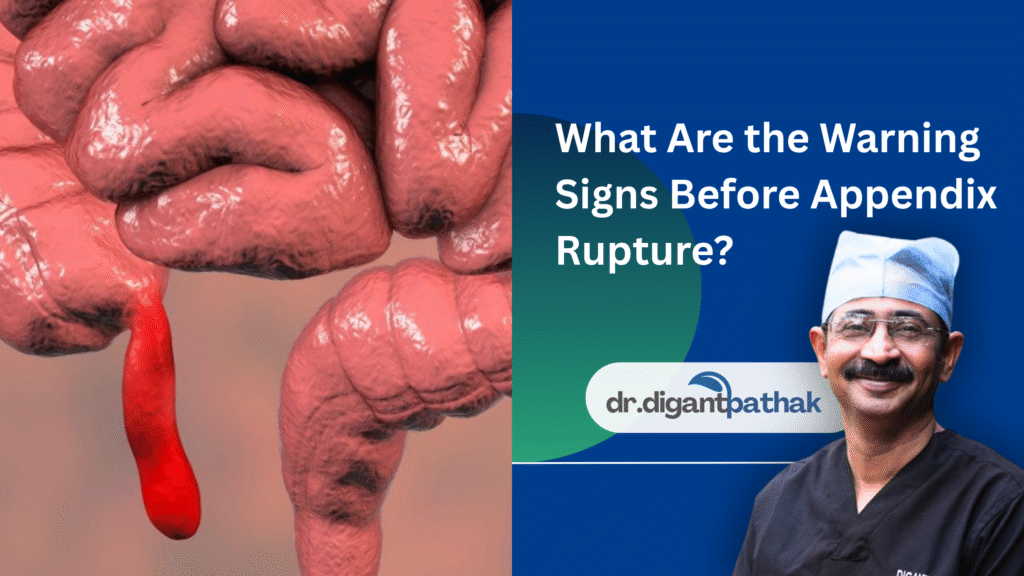
In the early stage, symptoms may appear mild. But as swelling and infection increase, the appendix can eventually rupture, spreading infection inside the abdomen.
This condition can become dangerous if treatment is delayed.
Early Signs of Appendicitis
In many patients, appendicitis begins with:
- Mild stomach discomfort
- Loss of appetite
- Nausea
- Slight fever
- Feeling uneasy or bloated
At this stage, many people confuse it with:
- Gas
- Acidity
- Food poisoning
- Indigestion
This is one of the biggest reasons why appendicitis gets delayed.
Warning Signs That the Condition May Be Worsening
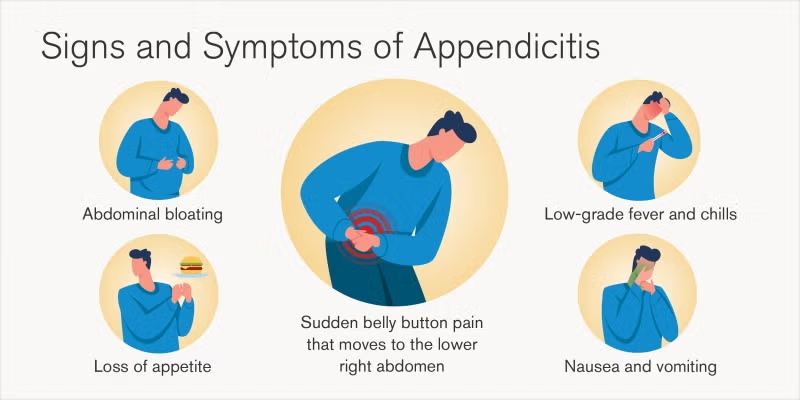
As inflammation increases, the symptoms become more specific and intense.
Pain Moves to the Lower Right Abdomen
One of the classic signs is pain shifting toward the lower right side of the abdomen.
The pain usually becomes:
- Sharper
- More localized
- Constant
Fever Starts Increasing
A rising fever may indicate worsening infection.
If abdominal pain is associated with fever, it should not be ignored.
Walking or Movement Becomes Painful
Patients often notice:
- Difficulty walking normally
- Pain while coughing
- Pain while changing position
- Pain during sudden movements
This happens because the surrounding abdominal lining becomes irritated.
Nausea and Vomiting Increase
Persistent nausea or repeated vomiting along with abdominal pain can be a warning sign that the appendix inflammation is progressing.
Abdomen Feels Hard or Extremely Tender
If the stomach becomes very tight, swollen, or painful to touch, it may suggest serious inflammation or rupture.
What Happens If the Appendix Bursts?

Once the appendix ruptures, infection can spread inside the abdomen.
This can lead to:
- Pus formation
- Severe abdominal infection
- High fever
- Increased pain
- Emergency surgery requirement
In some cases, delay can become life-threatening.
When Should You Go to the Hospital Immediately?
Seek urgent medical attention if:
- Pain suddenly becomes severe
- Fever keeps increasing
- Vomiting does not stop
- You cannot stand straight comfortably
- Pain is concentrated in the lower right abdomen
Ignoring these signs can increase the risk of rupture.
Appendix Treatment in Jabalpur
If you are experiencing symptoms of appendicitis, early evaluation is extremely important.
Dr. Digant Pathak is an experienced laparoscopic and general surgeon with:
- 20+ years of surgical experience
- 16,000+ successful surgeries
- Expertise in appendicitis, hernia, gallbladder, GERD, and colorectal conditions
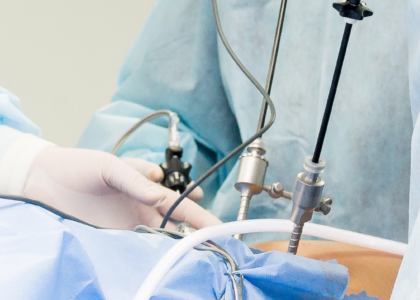
- Advanced laparoscopic surgery techniques for faster recovery
Consultation available at:
Care Multi Speciality Hospital
Ukhari Chowk, MR-4 Rd, Jabalpur
Early diagnosis can help avoid complications and emergency situations.
Frequently Asked Questions
Can appendix pain come and go?
In the beginning, pain may fluctuate slightly, but it usually becomes continuous as inflammation increases.
How quickly can an appendix rupture?
It varies from person to person, but rupture can happen within 24–72 hours after symptoms worsen.
Is appendix rupture dangerous?
Yes. A ruptured appendix can spread infection inside the abdomen and may become serious if untreated.
Can appendicitis heal without surgery?
Some mild cases may temporarily improve with medicines, but surgery is commonly the definitive treatment.
Is laparoscopic appendix surgery safe?
Yes. Laparoscopic surgery is commonly used because it usually involves smaller cuts, less pain, and faster recovery when performed by an experienced surgeon.