

Have you ever noticed a sharp or uncomfortable pain after eating oily or fried food and wondered what’s causing it?
Many people assume it’s just acidity or indigestion. But in several cases, this type of pain can actually be linked to gallbladder stones (gallstones).
The difficulty is that early symptoms are often ignored, which can later lead to more serious complications.
What Are Gallbladder Stones?

The gallbladder is a small organ that helps digest fats by releasing bile.
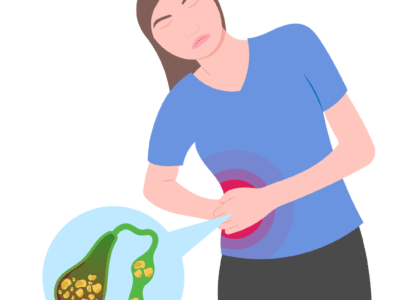
Gallstones form when there is an imbalance in bile components, leading to solid particles (stones) forming inside the gallbladder.
These stones can block the normal flow of bile, especially after eating fatty food, which triggers pain.
Why Does Pain Happen After Oily Food?
Oily or fatty food makes the gallbladder contract to release bile.
If a stone is present:
- It may block the bile duct temporarily
- This creates pressure and pain inside the gallbladder
This is why the pain often starts after meals, especially heavy or fried food.
Signs That It Could Be Gallbladder Stones

Look for these patterns:
- Pain in the upper right abdomen
- Pain after oily or heavy meals
- Pain that may radiate to the back or right shoulder
- Feeling of nausea or bloating
- Episodes that repeat over time
Important point:
Pain may not happen daily, but repeated episodes are a strong warning sign.
When It Might Be Just Acidity
Not all post-meal pain is due to gallstones.
It may be acidity if:
- Pain is more like burning in the chest
- It improves with antacids
- There is no specific right-side pain
- No radiation to back or shoulder
However, confusion between acidity and gallstones is very common.
Why This Problem Is Often Ignored
Many patients delay evaluation because:
- Pain goes away on its own
- It happens only after certain meals
- It is mistaken for acidity
But this leads to repeated attacks.
Reality:
Gallstones do not dissolve on their own in most cases and can lead to complications if untreated.
What Happens If You Ignore It?

Ignoring gallbladder stones can lead to:
- More frequent and severe pain attacks
- Infection of the gallbladder (cholecystitis)
- Blockage of bile duct
- Risk of pancreatitis, which can be serious
Key contrast:
- Early stage → planned, simple treatment
- Late stage → painful attacks or emergency
When Should You See a Doctor?
You should consult a doctor if:
- Pain happens repeatedly after meals
- Pain becomes severe or prolonged
- You experience vomiting or nausea
- Fever or jaundice appears
These may indicate complications that need timely treatment.
Gallbladder Treatment in Jabalpur
If you are experiencing such symptoms, it is best to consult an experienced specialist.
Dr. Digant Pathak
- 20+ years of surgical experience
- 16,000+ successful surgeries
- Advanced Hernia & Gallbladder Surgeon
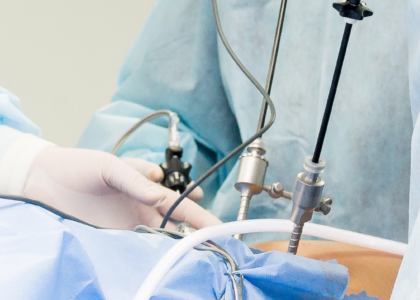
- Expertise in laparoscopic surgery, GERD, colorectal conditions, and appendicitis
Consultation available at:
Care Multi Speciality Hospital
Ukhari Chowk, MR-4 Rd, Jabalpur
Early diagnosis helps prevent complications and ensures safer treatment.
Frequently Asked Questions
Can gallstones dissolve with medicines?
In most cases, gallstones do not dissolve completely with medicines.
Is surgery always required for gallstones?
If stones are causing symptoms, surgery is usually the recommended treatment.
Is gallbladder removal safe?
Yes, people can live a normal life without a gallbladder.
How is gallstone pain different from acidity?
Gallstone pain is usually on the right side and triggered by fatty food, while acidity causes a burning sensation.
Can gallstones cause serious complications?
Yes, they can lead to infection or pancreatitis if ignored.