
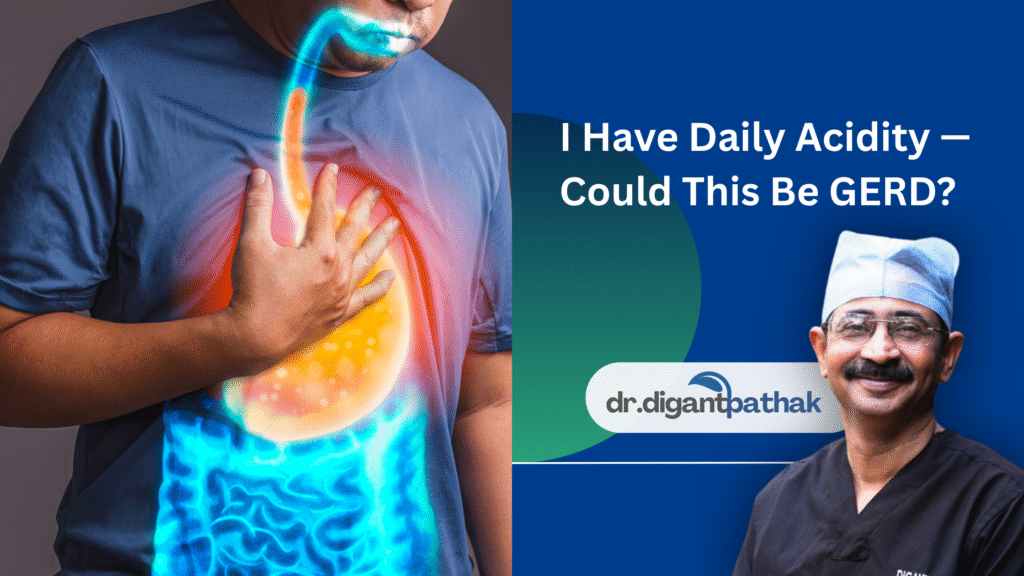
Acidity after a heavy or spicy meal is something most people experience occasionally. But if you are dealing with acidity almost every day, especially after meals or while lying down at night, it may not be “normal acidity” anymore.
Many people continue taking antacids for months without understanding the real issue behind their symptoms. In some cases, frequent acidity can actually be a condition called GERD (Gastroesophageal Reflux Disease).
Understanding the difference early is important because untreated GERD can gradually start affecting your food pipe, sleep, throat, and overall quality of life.
What Is GERD?
GERD stands for Gastroesophageal Reflux Disease.
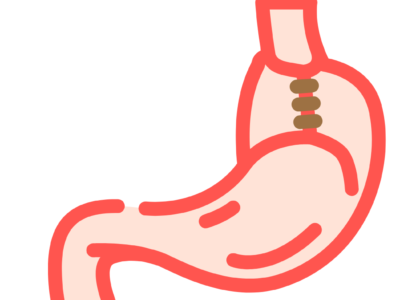
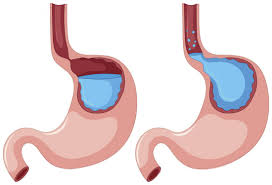
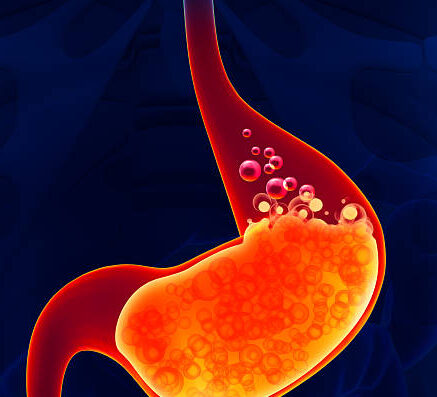
Normally, food travels from the food pipe into the stomach, and a muscular valve called the Lower Esophageal Sphincter (LES) prevents stomach acid from coming back up.
In GERD, this valve becomes weak or relaxes inappropriately, allowing acid to flow backward into the food pipe repeatedly.
This repeated acid exposure causes symptoms like:
- Burning in the chest
- Sour taste in the mouth
- Regurgitation
- Throat irritation
- Chronic acidity
Signs That Your Acidity Could Be GERD
Some warning signs suggest that your acidity may be more than temporary indigestion.
Watch for symptoms like:
- Acidity happening daily or several times a week
- Burning sensation after meals
- Symptoms worsening at night
- Bitter or sour liquid coming into the mouth
- Frequent burping or bloating
- Feeling that food is “coming back up”
- Chronic throat irritation or cough
Important:
Many people with GERD do not realize they have it because they assume acidity is “normal.”
Can Daily Acidity Become Serious?
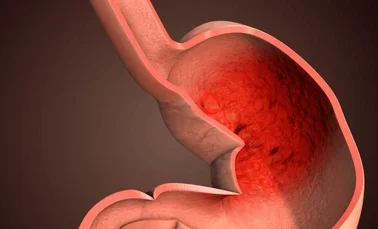
Yes, long-term untreated GERD can lead to complications such as:
- Inflammation of the food pipe
- Difficulty swallowing
- Sleep disturbance
- Chronic cough or throat irritation
- Ulcers in the food pipe
- Barrett’s esophagus (a precancerous condition in some cases)
This does not mean every person with acidity develops severe disease, but persistent symptoms should not be ignored.
When Should You See a Doctor?
You should consult a doctor if:
- Acidity happens regularly
- Symptoms disturb sleep
- You frequently depend on antacids
- You have chest burning repeatedly
- You feel difficulty swallowing
- Symptoms are increasing over time
Early evaluation helps identify whether it is simple acidity, GERD, or another digestive issue.
GERD Treatment in Jabalpur
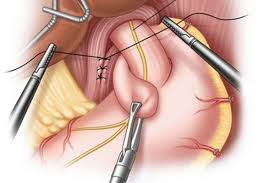
If you are experiencing repeated acidity or reflux symptoms, consulting an experienced specialist can help identify the real cause and prevent long-term complications. GERD can be permanently treated by laparoscopic surgery or Laparoscopic fundoplication.
Dr. Digant Pathak
- 20+ years of surgical experience
- 16,000+ successful surgeries
- Expertise in GERD, laparoscopic surgery, hernia, gallbladder disease, colorectal conditions, and appendicitis
- Advanced minimally invasive surgical expertise
Consultation available at:
Care Multi Speciality Hospital
Ukhari Chowk, MR-4 Rd, Jabalpur
Proper evaluation can help determine whether your symptoms can be managed with lifestyle changes, medicines, or require further treatment.
Frequently Asked Questions
What is the difference between acidity and GERD?
Occasional acidity happens temporarily, while GERD involves repeated acid reflux over time.
Can GERD go away on its own?
Mild symptoms may improve temporarily, but persistent GERD usually requires proper management.
Does stress increase acidity?
Stress can worsen acid reflux symptoms in many people.
Is endoscopy necessary for GERD?
Not always, but it may be advised if symptoms are severe, long-standing, or associated with warning signs.
Can GERD be treated permanently?
Many cases improve with lifestyle changes and medicines, while some may require advanced treatment or surgery depending on severity.