
Have you ever noticed a small bulge in your abdomen or groin and assumed it’s just a normal swelling that will go away on its own?
That assumption is very common—and often misleading.
In many cases, what seems like a harmless swelling can actually be a hernia. The challenge is that early symptoms are mild, so people delay action until the problem becomes more serious.
Understanding the difference early can prevent complications and make treatment much simpler.
What Is a Hernia?
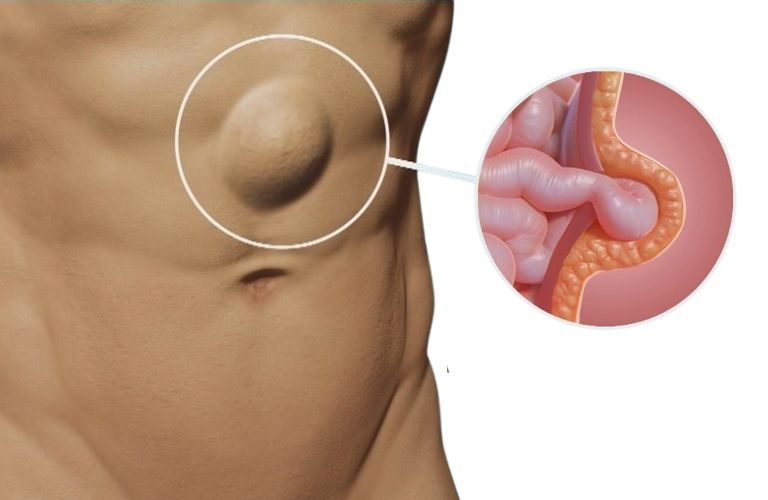
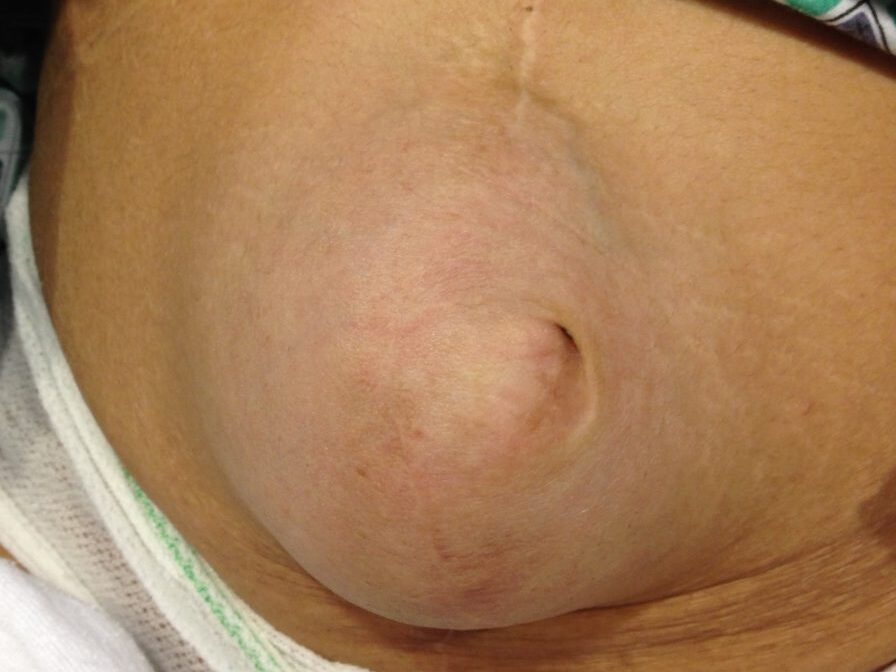
A hernia occurs when internal tissue pushes through a weak spot in the muscle wall.
This creates a visible or feelable bulge, most commonly in:
- Abdomen
- Groin area
In the early stage, it may not cause pain, which is why many people ignore it.
Signs That It Could Be a Hernia
Look closely at these signs:
- A visible or noticeable lump
- Bulge that appears or increases while standing or coughing
- Bulge that reduces when lying down
- A feeling of heaviness, pulling, or discomfort
- Mild pain during lifting, bending, or long standing
Key point:
Even if there is no pain, it can still be a hernia.
When It Might Be Just Normal Swelling

Not every swelling is serious. It may be something minor if:
- There is no clear, defined bulge
- It does not change with position
- It is linked to injury, infection, or fluid retention
- It improves on its own over time
However, if it persists or behaves differently, it should not be ignored.
Why Hernia Is Often Ignored
Most patients delay because:
- Pain is absent or very mild initially
- The bulge is small and manageable
- Symptoms come and go
This creates a false sense of safety.
Reality:
A hernia does not heal on its own and usually progresses over time.
What Happens If You Ignore It?
Ignoring a hernia can lead to serious complications:
- The bulge gradually increases in size
- Discomfort becomes more frequent
- Tissue can get trapped (strangulation)
- It can turn into an emergency condition
Important contrast:
- Early stage → Simple, planned treatment
- Late stage → Complex, urgent surgery
A Simple Self-Check

While this is not a diagnosis, you can observe:
- Does the bulge increase when you cough or strain?
- Does it reduce when you lie down?
- Do you feel heaviness or discomfort?
If you notice 2 or more of these signs, there is a strong possibility of a hernia.
When Should You See a Doctor?
Do not delay consultation if:
- The bulge is increasing in size
- Pain starts or worsens
- The bulge becomes hard or does not reduce
- You experience nausea or vomiting with pain
These can indicate complications that need immediate attention.
Hernia Treatment in Jabalpur
If you are unsure about your symptoms, the safest step is to consult an experienced specialist.
Dr. Digant Pathak
- 20+ years of surgical experience
- 16,000+ successful surgeries
- Advanced Hernia & Gallbladder Surgeon
- Expertise in laparoscopic surgery, colorectal conditions, GERD, and appendicitis
Consultation available at:
Care Multi Speciality Hospital
Ukhari Chowk, MR-4 Rd, Jabalpur
📞 9880178980
📧 digantpathak@yahoo.com
Why early consultation matters:
It helps confirm the diagnosis early and allows for safer, simpler treatment.
Frequently Asked Questions
Can a hernia heal on its own?
No, a hernia usually does not resolve without treatment.
How is hernia different from gas or bloating?
Gas is temporary and does not cause a visible bulge. Hernia involves a persistent lump.
Is surgery always required for hernia?
In most cases, surgery is the definitive treatment.
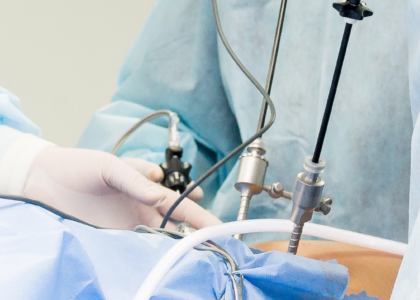
Is laparoscopic surgery safe?
Yes, when performed by an experienced surgeon, it is safe and offers faster recovery.
How quickly can a hernia become serious?
It varies, but complications can develop unpredictably if ignored.