
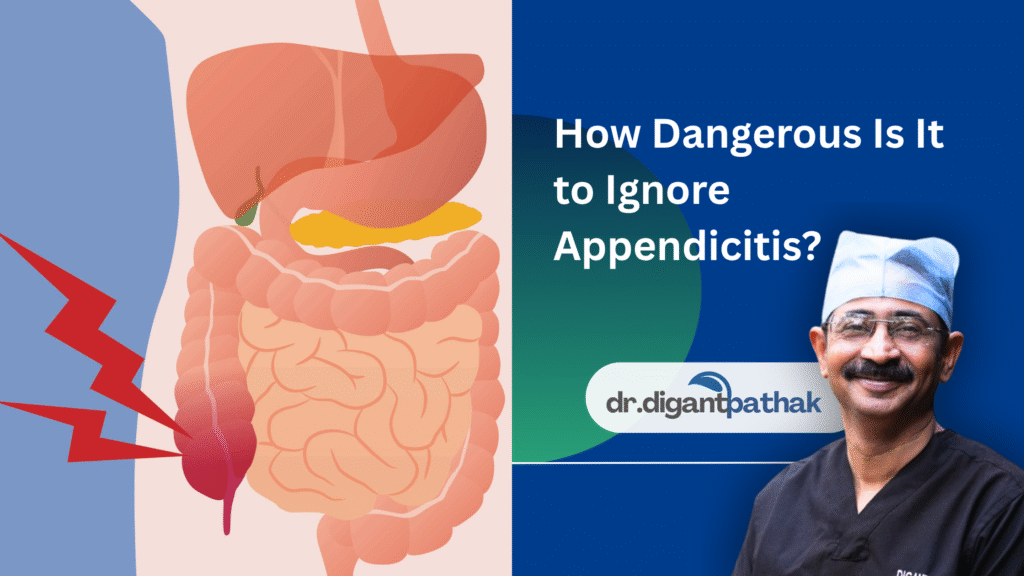
Appendicitis is one of those conditions where waiting to see if the pain goes away can be a serious mistake. Many people initially mistake it for gas, indigestion, or food poisoning and decide to rest or take painkillers instead of seeking medical advice.
The problem is that appendicitis does not improve on its own in most cases. As inflammation progresses, the appendix can rupture (burst), leading to infection inside the abdomen. Early diagnosis and timely treatment can prevent these complications and usually result in a much smoother recovery.
What Is Appendicitis?

The appendix is a small finger-shaped pouch attached to the large intestine.
When it becomes blocked, bacteria multiply inside it, causing inflammation and infection. This condition is called appendicitis.
Once inflammation starts, it usually worsens over time if left untreated.
Early Signs of Appendicitis
Recognizing the symptoms early can make a significant difference.
Common symptoms include:
- Pain that usually begins around the belly button and gradually shifts to the lower right side of the abdomen
- Increasing abdominal pain over several hours
- Loss of appetite
- Nausea or vomiting
- Mild fever
- Pain while walking, coughing, or changing position
Not every patient experiences the same symptoms, which is why medical evaluation is important.
What Happens If You Ignore Appendicitis?
Many people hope the pain will settle on its own.
Unfortunately, delaying treatment can allow the infection to progress.
Possible complications include:
Ruptured (Burst) Appendix

As pressure inside the appendix increases, it can rupture.
When this happens, infected material spreads into the abdominal cavity.
Peritonitis
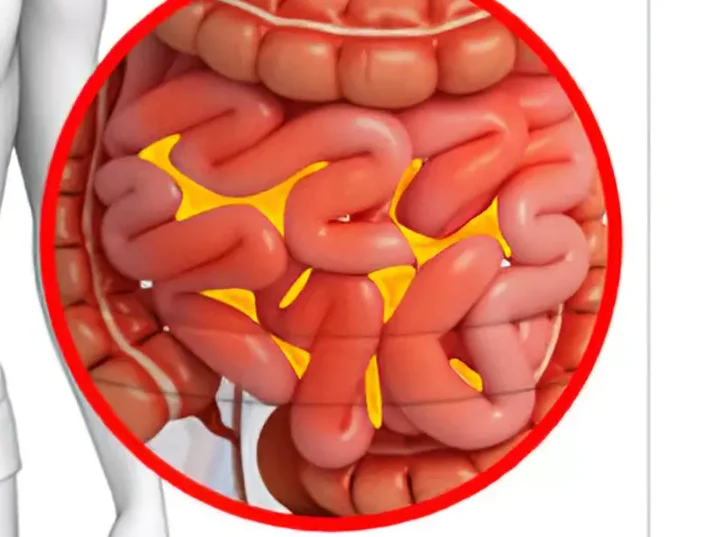
A ruptured appendix can cause peritonitis, a serious infection of the lining of the abdomen.
This is a medical emergency that requires urgent treatment.
Appendix Abscess
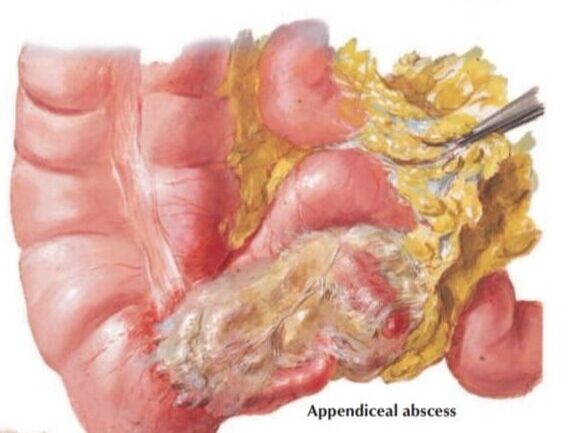
Sometimes the body tries to contain the infection by forming a pocket of pus called an abscess.
Although this may temporarily limit the spread of infection, it still requires medical treatment and can delay definitive surgery.
More Complex Surgery
When appendicitis is diagnosed early, treatment is often straightforward.
If treatment is delayed:
- Surgery may become more complicated.
- The hospital stay may be longer.
- Recovery can take more time.
- The risk of complications increases.
Why Early Treatment Makes a Big Difference
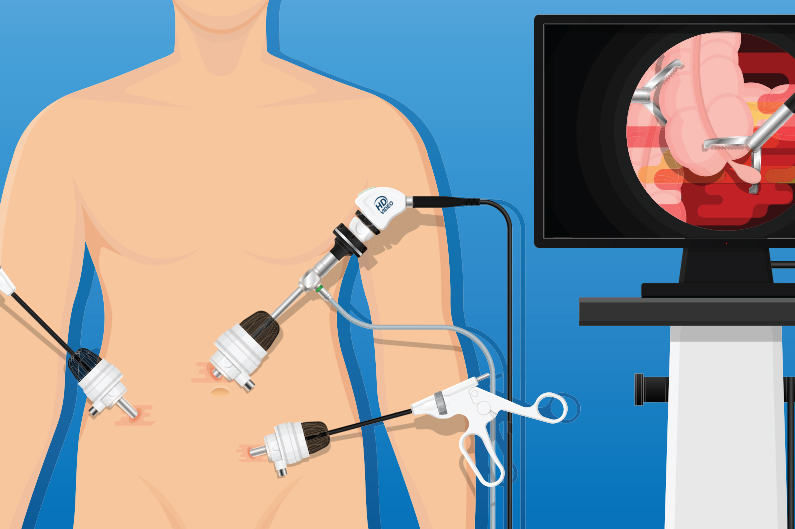
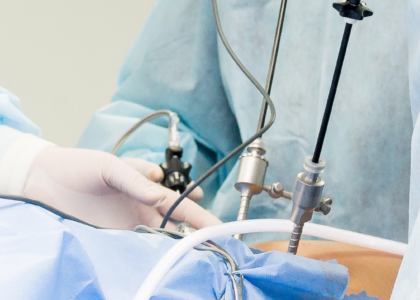
One of the biggest advantages of early diagnosis is that many patients are suitable candidates for laparoscopic appendicectomy.
Compared with traditional open surgery, laparoscopic surgery generally offers several advantages:
- Smaller incisions
- Less postoperative pain
- Faster recovery
- Earlier return to daily activities
- Lower risk of wound infection
- Better cosmetic results with minimal scarring
This is why experienced laparoscopic surgeons often recommend early intervention before complications develop, whenever appropriate.
When Should You See a Doctor Immediately?
Seek medical attention without delay if you experience:
- Severe pain in the lower right side of the abdomen
- Pain that continues to worsen
- Fever along with abdominal pain
- Persistent vomiting
- Difficulty walking because of pain
- A rigid or swollen abdomen
Do not rely on painkillers to mask persistent abdominal pain without knowing the cause.
Appendicitis Treatment in Jabalpur
If you have persistent abdominal pain or symptoms suggestive of appendicitis, early consultation with an experienced surgeon can help prevent serious complications.
Dr. Digant Pathak is a Laparoscopic & General Surgeon with:
- 20+ years of surgical experience
- 16,000+ successful surgeries
- Expertise in laparoscopic appendicitis surgery
- Advanced Hernia & Gall Bladder Surgeon
- Proficiency in colorectal surgery, GERD, appendicitis, and other gastrointestinal conditions
Consultation available at:
Care Multi Speciality Hospital
Ukhari Chowk, MR-4 Road, Jabalpur
Early diagnosis often allows treatment before complications develop, leading to a safer procedure and a faster recovery.
Frequently Asked Questions
Can appendicitis go away on its own?
In most cases, appendicitis requires medical evaluation and often surgical treatment. It should not be assumed that it will resolve on its own.
How long can I ignore appendicitis?
There is no safe timeline. Appendicitis can worsen unpredictably, and delaying medical attention increases the risk of complications.
Is every appendix surgery an emergency?
Not always. If diagnosed early, surgery can often be planned before the appendix ruptures.
Is laparoscopic surgery safe for appendicitis?
Yes. For many patients, laparoscopic surgery is a safe and effective option, offering faster recovery, less pain, and smaller scars compared with open surgery.
How long does recovery take after laparoscopic appendix surgery?
Recovery varies from person to person, but many patients return to normal daily activities much sooner than they would after traditional open surgery, depending on their overall health and whether the appendix had already ruptured.