
Many people experience burning in the chest or sourness after eating and simply call it “acidity.” In most cases, it improves with home remedies or medicines. But when the same problem keeps coming back again and again, it may not be just acidity.
It could be GERD.
The confusion between acidity and GERD is extremely common because the symptoms feel similar in the beginning. However, understanding the difference is important because long-term untreated GERD can start affecting your food pipe and overall quality of life.
What Exactly Happens in GERD?
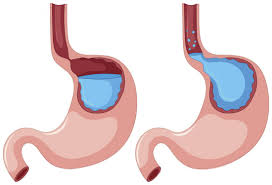
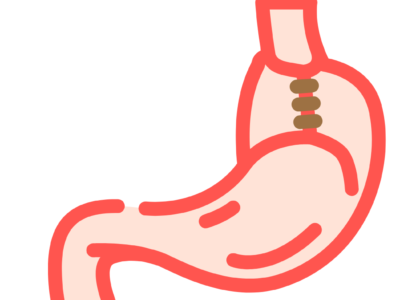
Between the stomach and the food pipe, there is a valve-like muscle called the Lower Esophageal Sphincter (LES). Its job is to stop stomach acid from moving upward.
In GERD, this valve becomes weak or relaxes abnormally, allowing acid to flow back into the food pipe repeatedly.
This repeated acid exposure causes irritation and symptoms like:
- Burning in the chest
- Sour taste in mouth
- Regurgitation of food or acid
- Bloating or heaviness
- Chronic throat irritation
Common Symptoms of Acidity
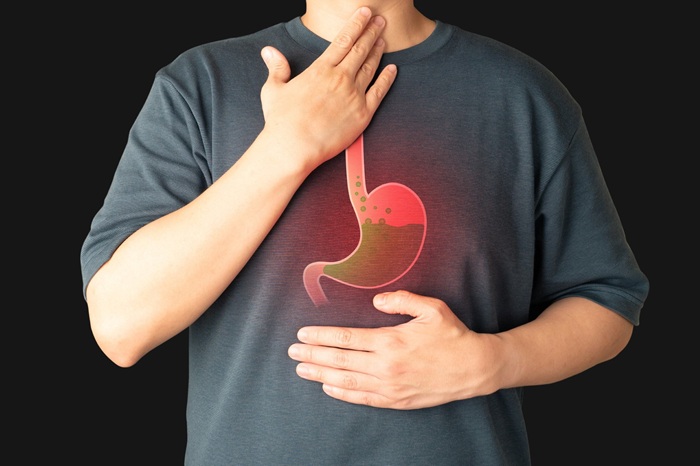
Occasional acidity is very common and usually temporary.
Symptoms may include:
- Burning after spicy or oily food
- Mild bloating
- Temporary discomfort after overeating
- Relief after antacids or home remedies
In many people, this happens once in a while and settles quickly.
Signs That It Could Be GERD Instead of Normal Acidity
There are certain signs that suggest the problem may be GERD rather than simple acidity.
Watch for these symptoms:
- Acidity happening multiple times every week
- Symptoms becoming worse at night
- Burning sensation reaching the throat
- Sour fluid coming back into the mouth
- Frequent burping or chest discomfort
- Persistent throat irritation or cough
- Symptoms affecting sleep or daily life
Important point:
If acidity becomes a regular part of your life, it should not be considered normal.
Why GERD Should Not Be Ignored
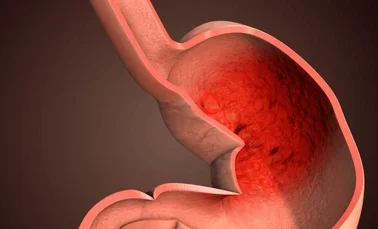
Many people keep taking over-the-counter medicines for years without understanding the root cause.
Untreated GERD can lead to:
- Inflammation of the food pipe
- Difficulty swallowing
- Chronic cough or throat irritation
- Sleep disturbances
- Damage to the esophagus over time
In some long-standing cases, it can also increase the risk of more serious complications.
Why Does Acidity Become Worse at Night?

This is one of the most common complaints in GERD patients.
At night:
- Lying down makes acid reflux easier
- Late dinners slow digestion
- The food pipe gets exposed to acid for longer duration
This is why many people feel:
- Burning while sleeping
- Bitter taste in mouth in the morning
- Night-time cough or discomfort
A Simple Self-Check
Ask yourself these questions:
- Do you get acidity more than 2–3 times a week?
- Do symptoms become worse after lying down?
- Do you frequently feel acid or food coming back up?
- Is your sleep getting disturbed because of acidity?
If your answer is “yes” to multiple questions, there is a possibility of GERD.
When Should You See a Doctor?
You should consult a specialist if:
- Acidity is becoming frequent
- Medicines only give temporary relief
- Symptoms are worsening over time
- You experience chest discomfort regularly
- You have difficulty swallowing
- Night-time symptoms are affecting sleep
Early diagnosis helps prevent long-term complications and allows better treatment planning.
GERD Treatment in Jabalpur
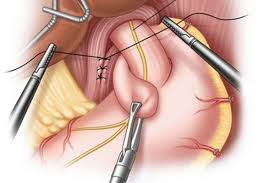
If you are dealing with repeated acidity, reflux, or chest burning, proper evaluation is important instead of relying only on temporary remedies.
Dr. Digant Pathak
- 20+ years of surgical experience
- 16,000+ successful surgeries
- Expertise in GERD, laparoscopic surgery, hernia, gallbladder, and colorectal conditions
- Advanced Gastro & Laparoscopic Surgeon
Consultation available at:
Care Multi Speciality Hospital
Ukhari Chowk, MR-4 Rd, Jabalpur
Proper diagnosis can help identify whether your symptoms are simple acidity or a chronic reflux condition like GERD.
Frequently Asked Questions
Can GERD go away on its own?
Mild symptoms may improve temporarily, but chronic GERD usually requires proper treatment and lifestyle management.
Is every acidity problem GERD?
No. Occasional acidity is common. GERD is diagnosed when reflux becomes frequent and persistent.
Can GERD cause chest pain?
Yes. GERD-related chest burning can sometimes feel similar to heart-related discomfort.
Is endoscopy necessary in GERD?
Not always, but it may be recommended if symptoms are long-standing or severe.
Can GERD be treated permanently?
Many patients improve significantly with lifestyle changes, medicines, and in selected cases, surgery.