
Severe abdominal pain is something most people hope will settle on its own. Sometimes it does. But when the pain is caused by pancreatitis, delaying treatment can become dangerous.
While many cases of pancreatitis improve with timely medical care, some can rapidly become life-threatening, affecting multiple organs and requiring intensive treatment. Knowing the warning signs can help you seek medical attention before serious complications develop.
What Is Pancreatitis?
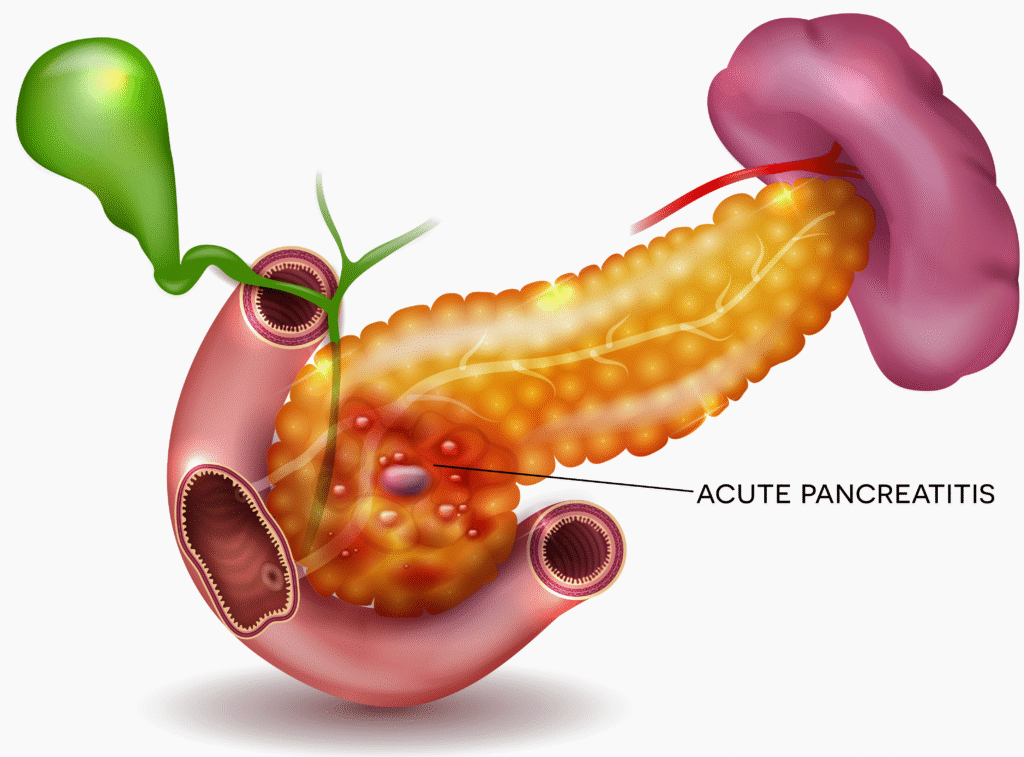
The pancreas is an organ located behind the stomach that helps digest food and regulates blood sugar.
Pancreatitis occurs when the pancreas becomes inflamed. This inflammation can happen suddenly (acute pancreatitis) or develop gradually over many years (chronic pancreatitis).
The two most common causes are:
- Gallbladder stones blocking the bile duct
- Excessive alcohol consumption
Other causes include certain medications, high triglyceride levels, infections, abdominal injuries, and, in some cases, the exact cause may remain unknown.
Is Every Case of Pancreatitis Dangerous?
No.
Many patients with mild acute pancreatitis recover completely with appropriate treatment, hydration, pain management, and close monitoring.
However, pancreatitis should never be considered a condition to manage at home without medical evaluation because it can worsen unexpectedly.
Warning Signs That Pancreatitis May Be Becoming Life-Threatening

Seek immediate medical attention if you experience:
- Severe upper abdominal pain that does not improve
- Pain spreading to the back
- Repeated vomiting
- High fever or chills
- Difficulty breathing
- Rapid heartbeat
- Very low blood pressure
- Confusion or excessive drowsiness
- Yellowing of the eyes or skin (jaundice)
These symptoms may indicate severe inflammation or complications requiring urgent treatment.
What Makes Severe Pancreatitis Dangerous?
In some patients, inflammation spreads beyond the pancreas and affects other organs.
Serious complications may include:
- Infection of damaged pancreatic tissue
- Pancreatic necrosis (death of pancreatic tissue)
- Internal bleeding
- Pancreatic pseudocyst formation
- Kidney failure
- Lung complications
- Heart and circulation problems
- Sepsis (a severe body-wide infection)
These complications can become life-threatening if treatment is delayed.
Can Gallbladder Stones Cause Severe Pancreatitis?
Yes.
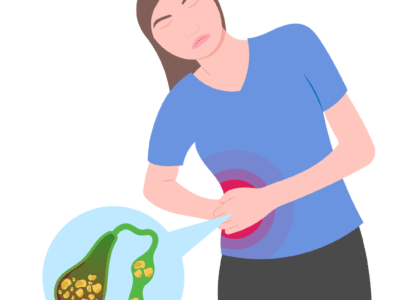
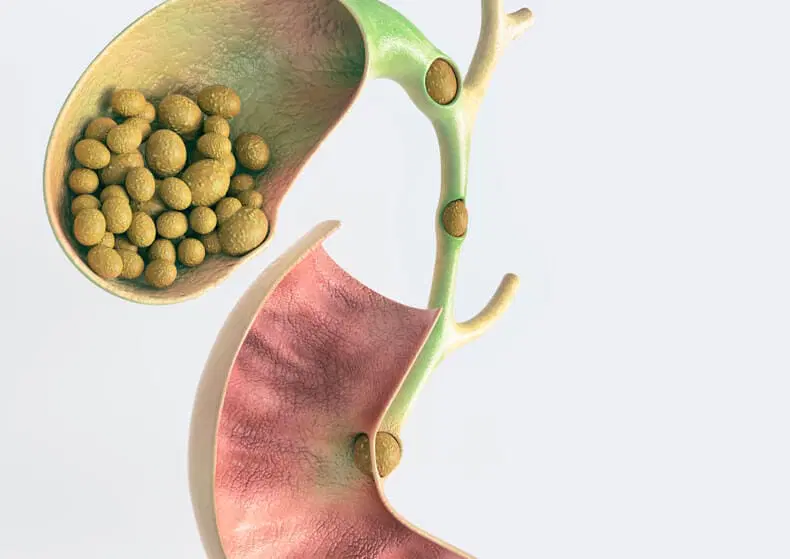
One of the most common causes of acute pancreatitis is a gallbladder stone becoming stuck in the bile duct. This blocks the normal flow of digestive juices and triggers inflammation of the pancreas.
When gallbladder stones are responsible, treating only the pancreatitis is often not enough. The underlying cause also needs to be addressed to prevent future attacks.
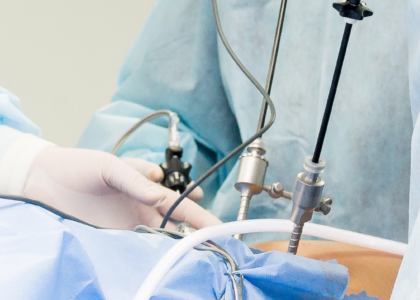
Once the patient is medically stable, laparoscopic gallbladder surgery is commonly recommended to remove the gallbladder and reduce the risk of recurrent gallstone pancreatitis. Compared with traditional open surgery, laparoscopic surgery generally offers:
- Smaller incisions
- Less postoperative pain
- Faster recovery
- Shorter hospital stay
- Earlier return to normal activities
The decision and timing of surgery always depend on the patient’s condition and the severity of pancreatitis.
Can Severe Pancreatitis Be Treated?
Yes, especially when diagnosed early.
Treatment may include:
- Admission to the hospital
- Intravenous fluids
- Pain control
- Nutritional support
- Antibiotics when infection is present
- Endoscopic procedures if bile duct stones are blocking drainage
- Surgery in selected patients when complications develop or when gallstones are the underlying cause
The earlier treatment begins, the better the chances of recovery.
When Should You See a Doctor?
Do not wait if you have:
- Severe upper abdominal pain lasting several hours
- Pain that radiates to your back
- Persistent vomiting
- Fever with abdominal pain
- Jaundice
- Difficulty breathing
- Severe weakness or dizziness
These symptoms require immediate medical evaluation.
Expert Pancreatitis & Gallbladder Care in Jabalpur
If pancreatitis is caused by gallbladder stones or another surgical condition, choosing an experienced laparoscopic surgeon can make an important difference in your treatment journey.
Dr. Digant Pathak is an Advanced Hernia & Gallbladder Surgeon with over 20 years of experience and 16,000+ successful surgeries. He is highly experienced in laparoscopic surgery and also manages conditions including gallbladder stones, appendicitis, GERD, colorectal disorders, and other general surgical diseases.
Consultation available at:
Care Multi Speciality Hospital
Ukhari Chowk, MR-4 Road, Jabalpur
Timely diagnosis, appropriate treatment, and addressing the underlying cause can help prevent repeated attacks and serious complications.
Frequently Asked Questions
Can pancreatitis become fatal?
Yes. Severe pancreatitis can become life-threatening if it causes infection, organ failure, or widespread inflammation.
Can gallstones cause pancreatitis?
Yes. Gallbladder stones are one of the leading causes of acute pancreatitis.
Does every patient with pancreatitis need surgery?
No. Surgery is not required for every patient. However, if gallbladder stones are the cause, laparoscopic gallbladder removal is often recommended after the patient has stabilized.
How long does recovery from pancreatitis take?
Recovery depends on severity. Mild cases may recover within days, while severe cases may require weeks of treatment.
Can pancreatitis happen again?
Yes. If the underlying cause is not treated, recurrent attacks are possible.